Anna-Karin's Photography · Australia
Notes on photographing babies, bumps and families
Hi, I'm Anna-Karin. I photograph babies, bumps and families, I'm now based in Australia, and this blog is where I write down what I've learned for Australian families and photographers: how a session runs, what to wear, where the light is good from Sydney Harbour to Kings Park in Perth, and how to look after the pictures once you have them.
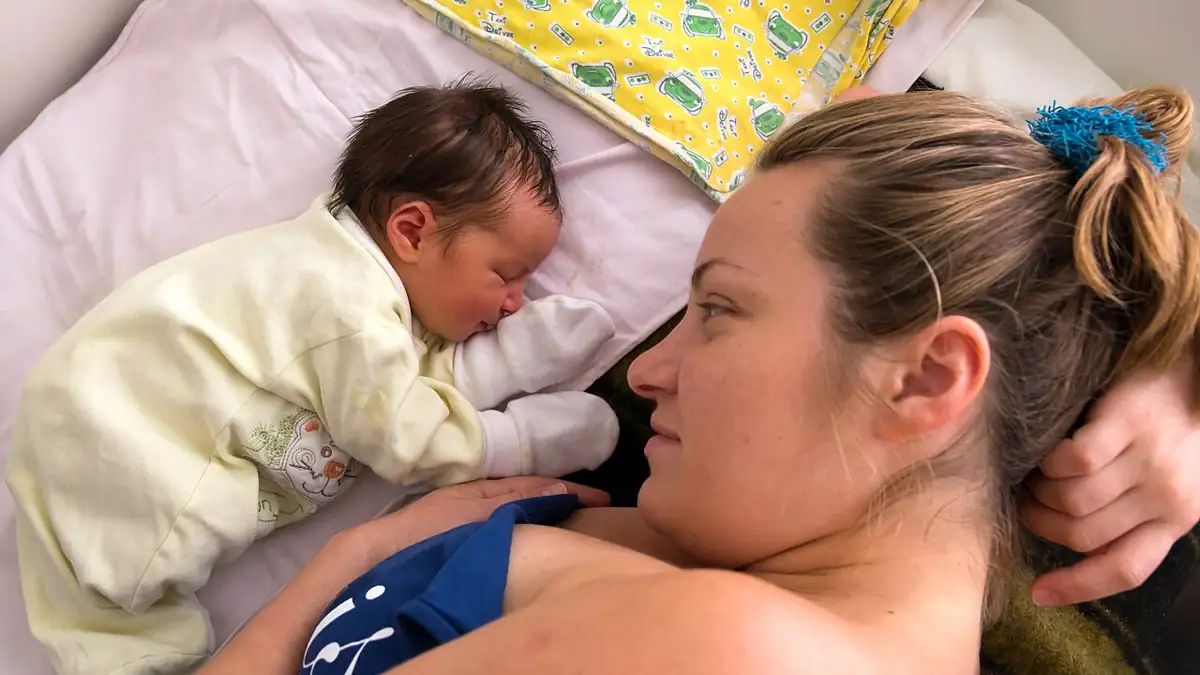
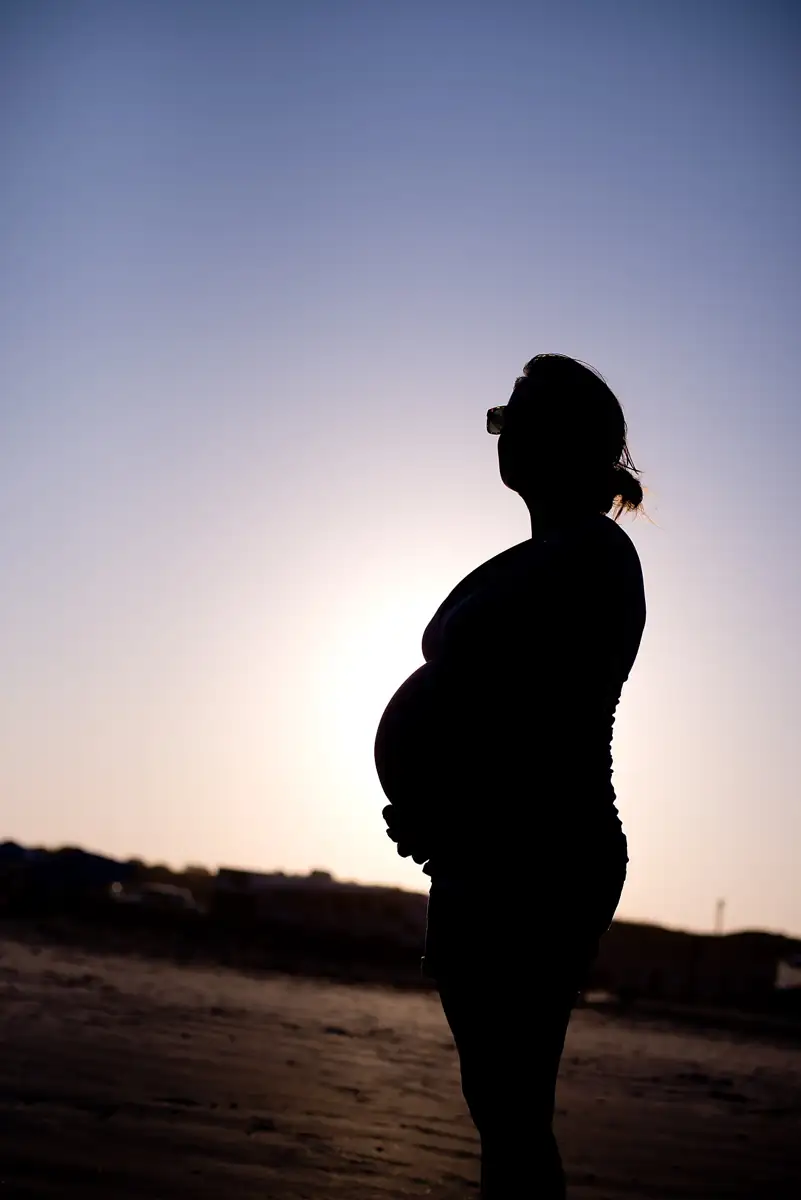
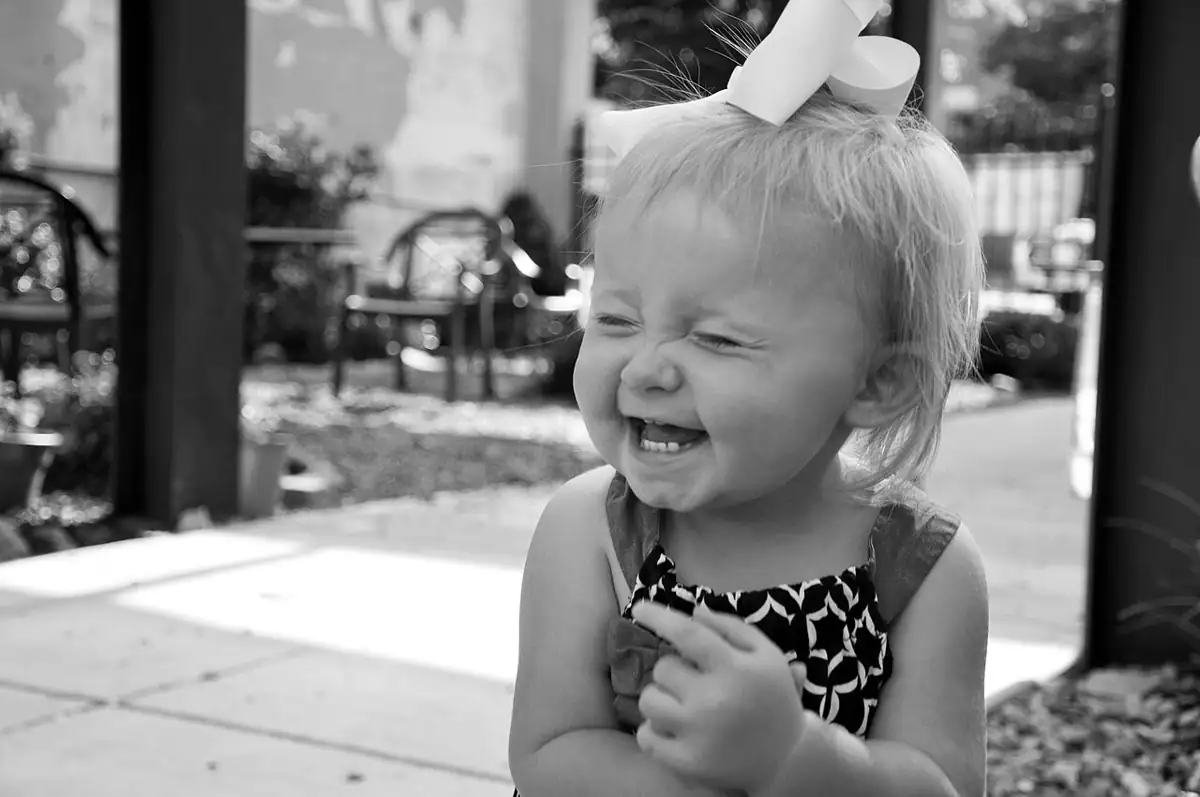
Family close-up: Vyacheslav Argenberg · CC BY 4.0, Wikimedia Commons · Late pregnancy silhouette: Donnie Ray Jones · CC BY 2.0, Wikimedia Commons · A real laugh: Katie Thomas · CC BY 2.0, Wikimedia Commons · Australian locations card: Gary Houston · CC0, Wikimedia Commons


A little about me
I grew up in Säter, a small town in southern Dalarna, Sweden, and lived there until my early twenties. In the autumn of 1998 I moved to the United States, where both of my boys were born and where I became a citizen. These days I live and work in Australia. My family is still up in Dalarna, so I spend a fair amount of time on long-haul flights with a camera bag at my feet.
I loved taking pictures as a girl, but it took becoming a mother to bring it back. I started by photographing my sons' first steps and kept going. Since then I've photographed maternity sessions, newborns, babies, children, families, school leavers, pets, headshots, a few weddings and some commercial work, including architecture and hotels. I've worked in a studio and on location, outdoors and in people's own living rooms. I've also spent a good deal of time at workshops and conferences, and I've been a member of PPA and WPPI. The longer story is on my about page.
My sessions are always a mix: a few posed portraits, and a lot of natural moments in between when nobody is told where to look. I keep things relaxed and a bit silly, because children (and most grown-ups) loosen up once somebody is laughing.
Where to start
The blog follows a family's first years in roughly the order they happen. It begins with a maternity portrait session late in pregnancy, moves on to the first newborn photos in the baby's first two weeks and the milestone sessions through the first year, and then to family and children's portraits as everyone grows. Year 12 portraits and headshots come near the end, when the baby you photographed is suddenly picking out their own clothes.
If a baby is on the way, read which week works best for maternity photos and then what happens at a newborn shoot. Between them they answer most of the questions expecting parents ask me. Before any newborn session, please also read my notes on newborn posing safety.
Parents of toddlers will get more out of my notes on toddlers in front of a camera and the outfit guide for family sessions. My clothing advice hasn't changed in years: the face is the focus, so keep it simple and comfortable, leave the stripes and busy patterns at home, and choose a few colours that sit well together.
If you're comparing photographers, start with how to judge a portrait photographer's work. It covers what a portfolio can and can't tell you, and which questions show how someone works when the baby won't sleep.
Six sections, one subject
 Newborn & baby10 guidesFrom the first two weeks to the first birthday: when to book, safe posing, siblings, twins and milestone sessions.
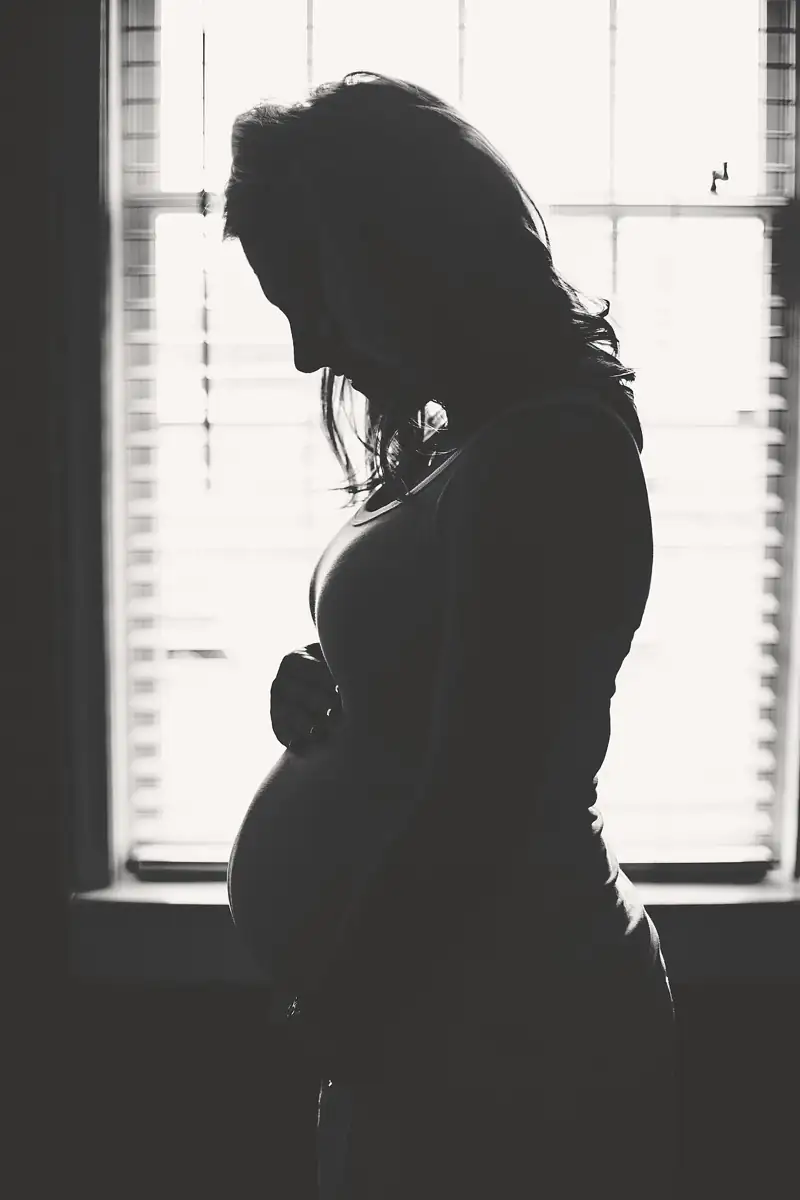 Maternity6 guidesWhen to book, what to wear, where to shoot and how to pose, from the third trimester to the first newborn frames.
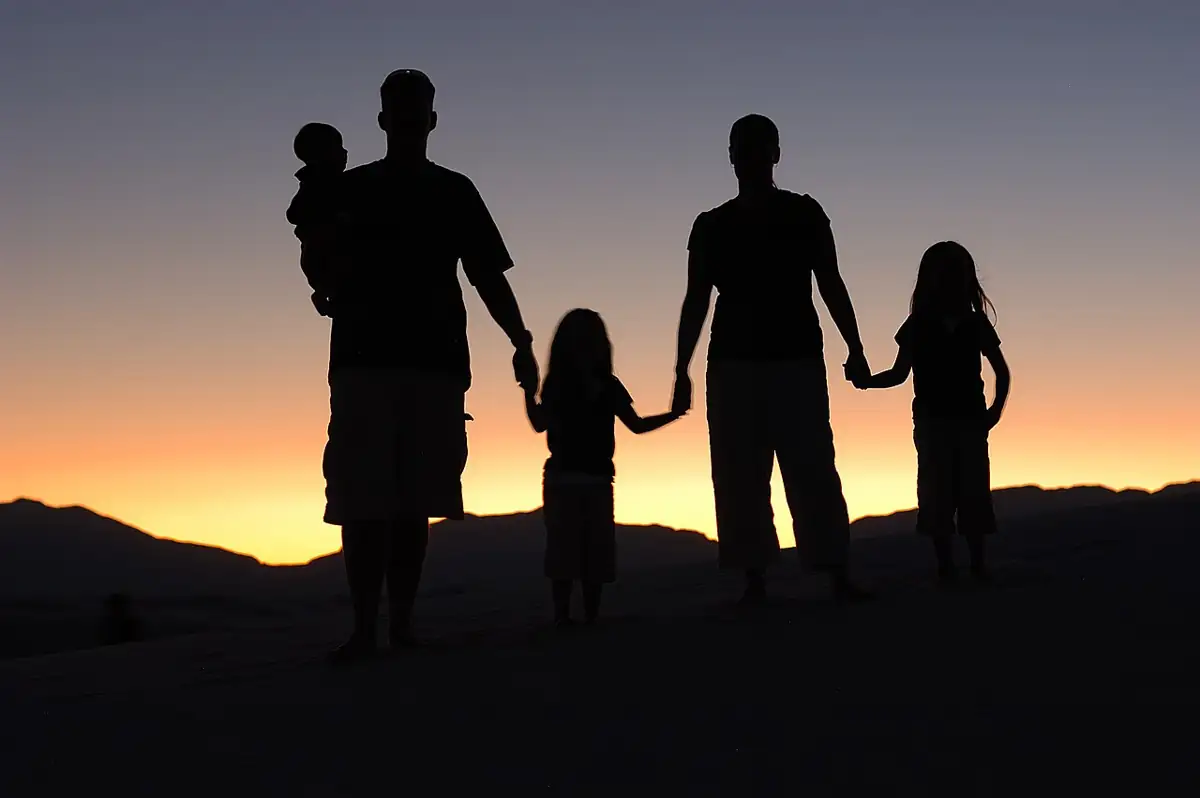 Family & children10 guidesClothes, toddlers, siblings, pets, grandparents, school leavers and Christmas cards: planning a family session people enjoy.
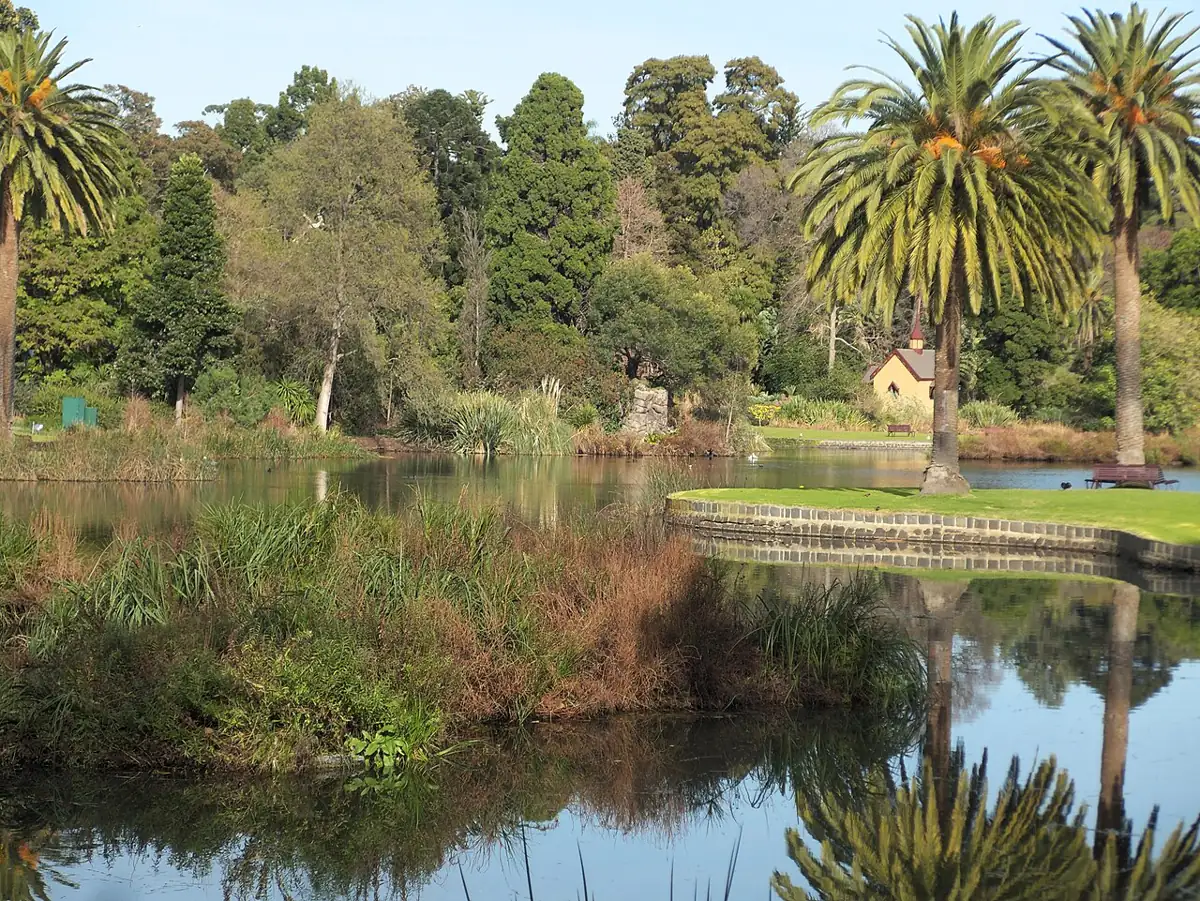 Portrait locations in Australia10 guidesHarbours, beaches, botanic gardens, laneways and country towns from Sydney to Perth, with my notes on light, crowds and weather.
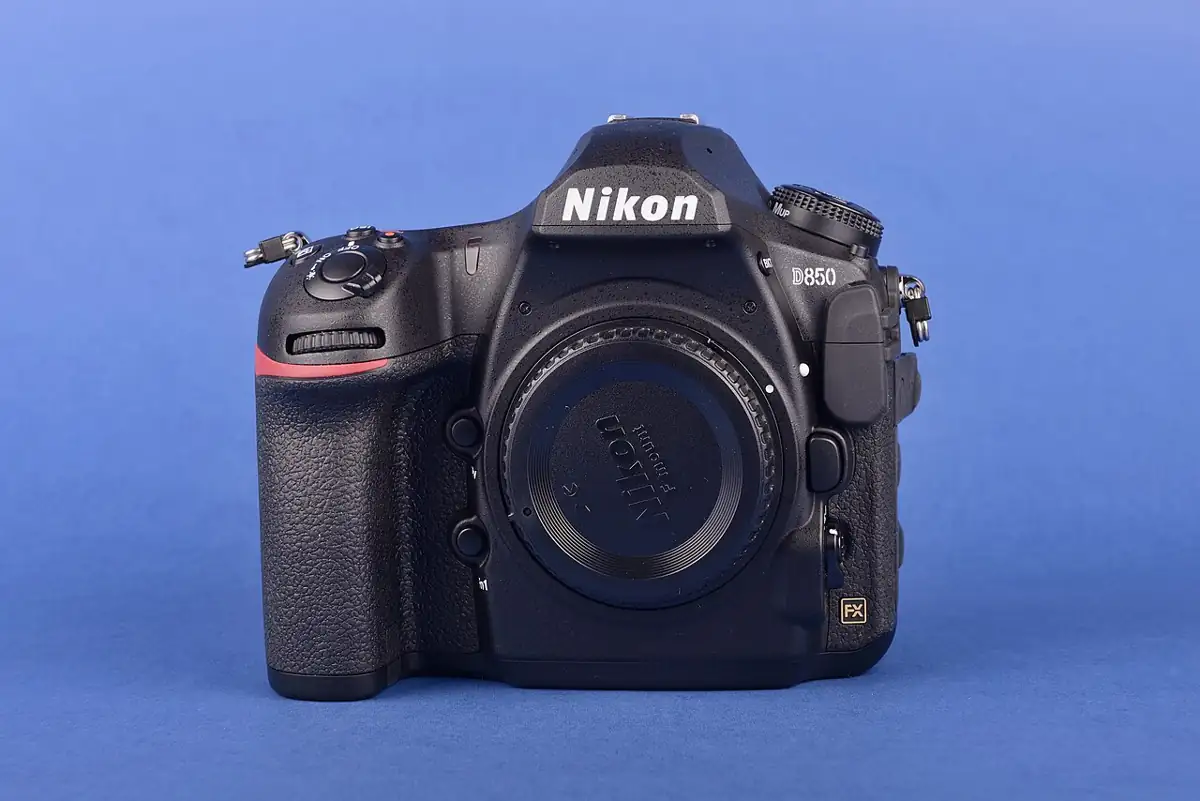 Photo craft & gear10 guidesLight, lenses, flash and travel, written for parents with a good camera and photographers starting out.
 Prints & albums9 guidesChoosing a photographer, reading a price list, and turning a gallery into prints, albums and backups.
Light and places around Australia
Australian summers are long and bright, the UV index runs high from spring to autumn, and in Brisbane or Darwin a storm can build in an hour on a December afternoon. Coming from Dalarna, where June evenings stay light until late at night, the fast sunsets and hard noon sun here took some getting used to. Remember that the seasons are flipped from the northern hemisphere: summer is December to February, autumn March to May, winter June to August and spring September to November, so Christmas portraits happen in the heat. For outdoor sessions I suggest early morning or the last hour before sunset, and I keep the middle of a summer day for indoor work.
The Australian locations section covers Sydney Harbour and the beaches, Melbourne's gardens and laneways, the Brisbane River and South Bank, Kings Park and the Perth coast, Adelaide, Canberra, Hobart, the Gold Coast and the country towns in between. Many parks and botanic gardens ask for a permit for organised shoots, so check with the council or park before you book. For the weather itself, read my notes on Australian seasons, heat, UV and bushfire smoke.
For people behind the camera
Many of my readers are parents with a new camera, or hobbyists moving into portraits, which is how I started too. The photo craft section begins with window light and lens choice and goes on to a single off-camera flash, black and white, macro, travel and birds. Most of it works just as well with a phone.
If you only read one page there, make it my guide to window light and open shade. Turning a face towards soft light improves every picture you take, whatever the camera. And since I never go on a longer trip without a camera, there are notes on flying with camera gear as well.
Keeping the pictures
Files from a session get lost on old phones, and prints fade when they are made on the wrong paper or hung in full sun. The section on prints, albums and photo storage covers print sizes, canvas, albums and photo books, and a simple backup routine for family pictures.
I've entered international print competitions over the years, and a big print shows every soft eye and odd skin tone that looks fine on a phone. I'll always nudge you to print at least a few of your favourites and put them somewhere you walk past every day.