Section 01 · Newborn & baby
Newborn and baby photography
A baby changes more in the first twelve months than in any year after, and most parents want a record of it. My own interest in photography came back when I started photographing my boys' first steps, so I have a soft spot for this part of the blog. These guides are what I'd tell you over coffee before your session: when to book, what happens on the day, how to keep it safe and how to plan the rest of the first year.

Where to start
If you're expecting and have never booked a newborn photographer, read these four pages in order. Each one builds on the one before.
- The best window for newborn photos explains why I aim for days 5 to 14 and why it helps to reserve a date while you're still pregnant.
- What safe newborn posing looks like covers warmth, spotters, composites and the warning signs worth acting on. Read it before you book anyone, me included.
- Studio, home or lifestyle helps you decide where the session should happen.
- What happens at a newborn photo session walks through a typical morning, from the first feed to the last frame, and lists what to pack.
Newborn sessions are slow. Most of the time goes on feeding, settling and waiting for deep sleep, and a photographer who hurries the baby along is cutting corners. When a baby won't settle, the tricks in my page on soothing an unsettled baby are the ones I lean on myself: a full tummy, a warm room, white noise and no hurry at all.
Safety first, then the setting
Some of the best-known newborn poses are composites. The baby's head rests on a parent's hand in one frame, the hand moves in the next, and the two are blended afterward. Nobody should balance a sleeping baby on its own arms or hang it from a branch for real, and any photographer worth booking will happily explain how each pose is built. The safety page goes through warmth, hygiene, props and posing one by one, so you know what to expect in the room.
Where to hold the session comes down to light, warmth and how far you want to drive in the first week. I've worked both in a studio and in people's homes. A studio gives me control of light and temperature. A session at home saves a car trip with a five-day-old. A lifestyle session skips posing and follows the family through an ordinary morning, feeds and burps included.
Families with more than one child
The first picture of an older brother or sister holding the new baby is often the one parents frame first. As a mother of two boys I know how much that picture means, and how short a toddler's patience is. It needs good timing, low supported poses and a parent within arm's reach; the details are in newborns with big brothers and sisters. I bring siblings in at the start, while the baby is fresh and the older child is still curious, and let them go play once we have the shot.
Parents of twins or triplets face a longer session, feeding in shifts and more composite work. All of that is in twins and multiples, along with how to keep two babies' pictures sorted afterward.
The rest of the first year
After the newborn weeks, many families come back for shorter sessions at three, six, nine and twelve months. First-year milestone sessions explains how such a plan fits together and how to keep the pictures consistent enough to hang as a set. This is roughly what each stage tends to give you, though every baby keeps their own schedule:
| Age | What it usually brings |
|---|---|
| Days 5 to 14 | Deep sleep, curled poses, wraps |
| 3 months | Head control, first real smiles |
| 6 months | Sitting with a little support, laughing |
| 9 months | Crawling, pulling up, lots of opinions |
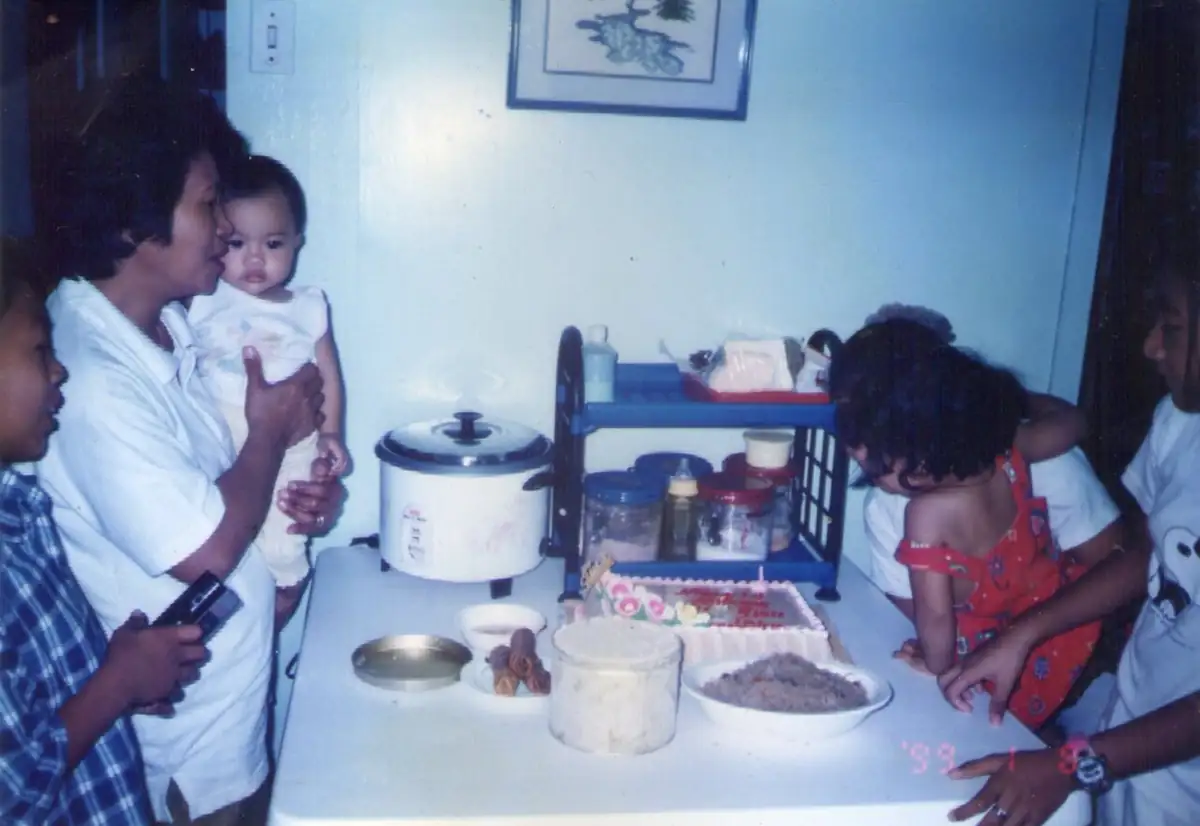
| 12 months | Standing, first steps, cake |
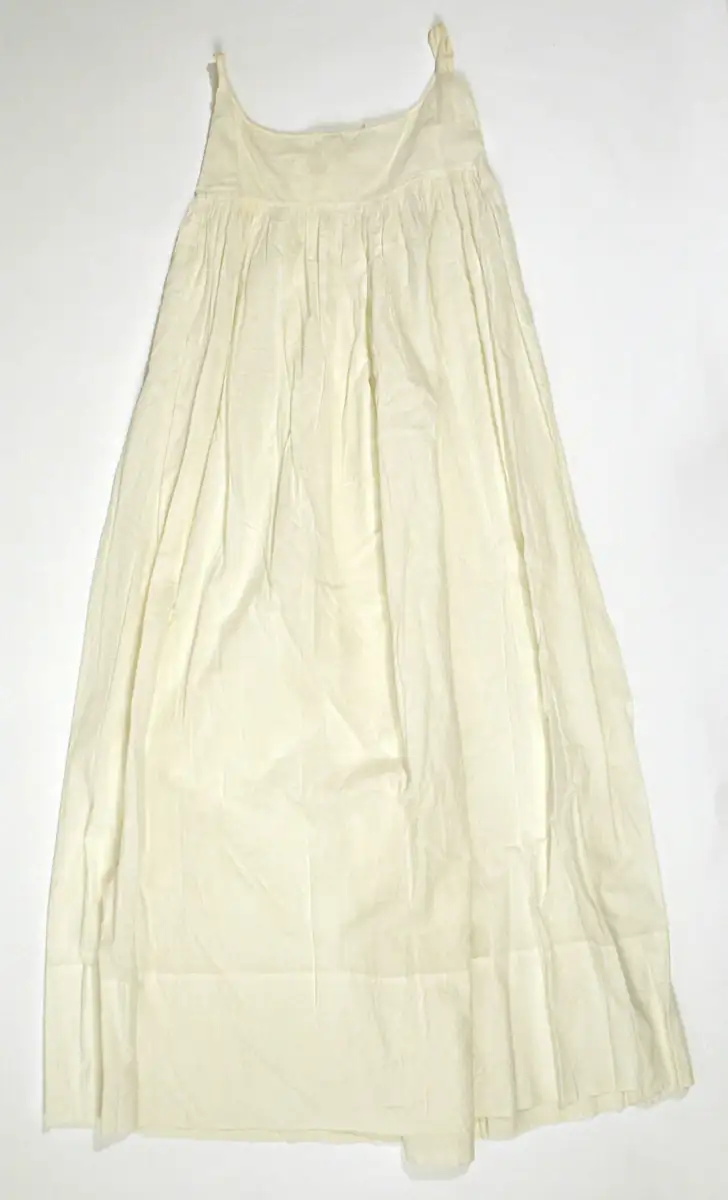
The year often ends with frosting everywhere: the cake smash guide covers allergies, choosing a cake and the bath afterward. For families with a religious ceremony, christening and baptism portraits deals with heirloom gowns, dim churches and asking about photography rules well before the day.
Related sections
Pregnancy portraits are covered in the maternity photography section, and many parents plan both sessions at once; I explain how in booking the bump and baby sessions as a pair. Once the baby is a toddler, the guides on family and children's portraits take over. When the gallery arrives, prints, albums and keeping your photos helps you decide what to order, and a simple backup routine keeps the files safe for the day your child wants to see them.
All newborn and baby guides
What happens at a newborn photo session
How a typical newborn shoot runs from arrival to the last frame, and why it takes most of a morning.
When to book newborn photos
Why the first two weeks give the sleepiest, curliest poses, and how to hold a date before the due date.
Newborn posing safety: what parents should know
Spotters, composites, warm rooms and clean wraps: the habits that separate a safe newborn session from a risky one.
Studio, home or lifestyle newborn session
The three common formats for newborn photos compared, with the trade-offs in light, comfort and style.
Photographing a newborn with big brothers and sisters
Timing, simple poses and small bribes for getting an older child and a brand new baby into one frame.
Photographing twins and multiples
Longer sessions, feeding in shifts and composite poses: how photographers handle two or three newborns at once.
First-year milestone sessions: 3, 6, 9 and 12 months
The classic baby plan explained: four or five short sessions that follow head control, sitting, crawling and first steps.
Cake smash and first birthday portraits
Clean portraits first, then the cake: how a first-birthday smash session is planned and why some babies refuse to touch it.
Christening and baptism portraits
Heirloom gowns, church rules and dim interiors: how families get good pictures of a baptism day.
Calming a fussy baby during a shoot
Feeding, swaddling, white noise and patience: what to try when a baby will not settle for the camera.
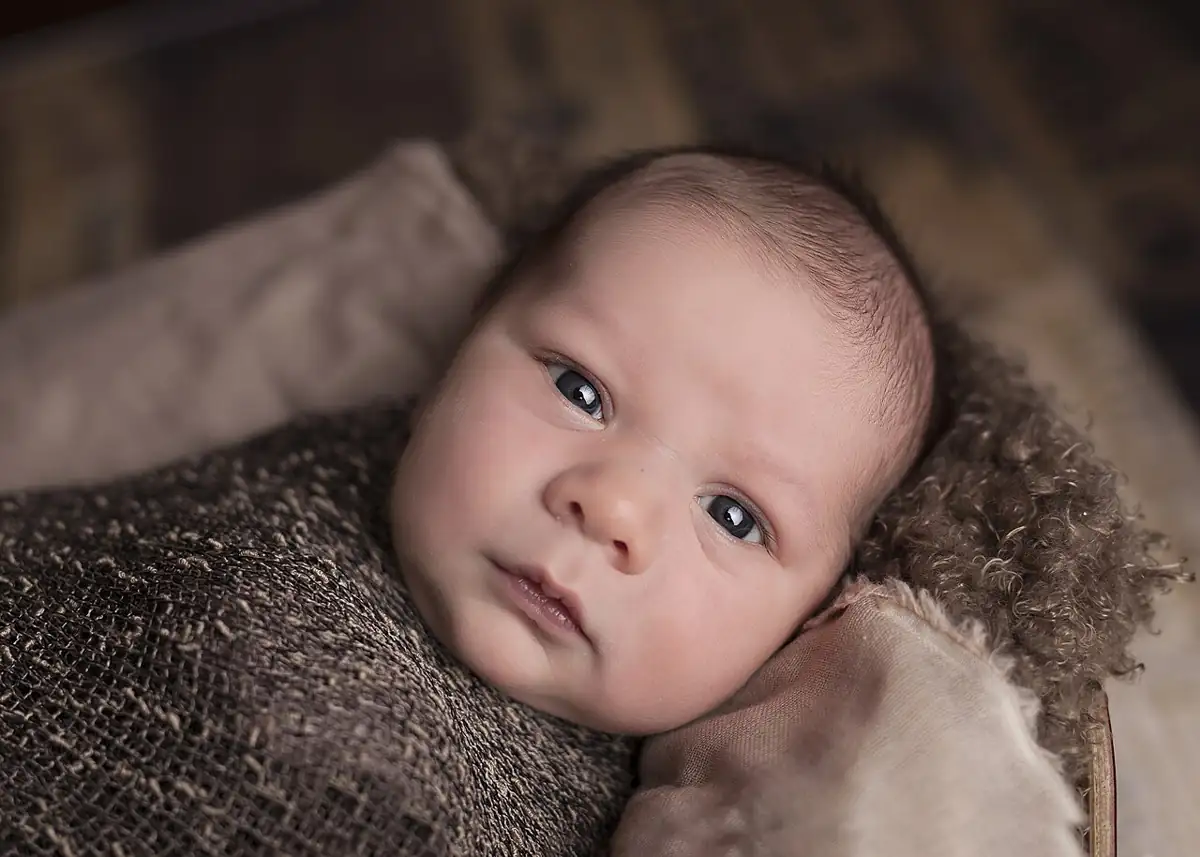

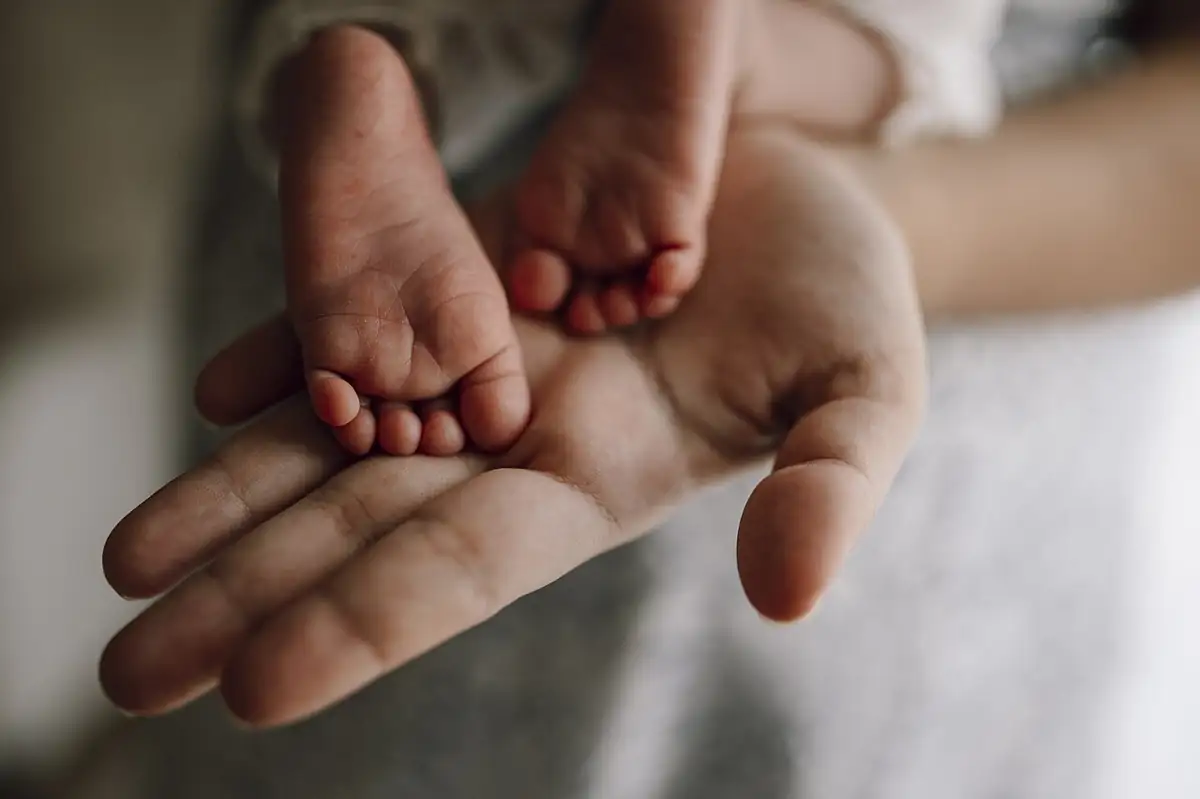
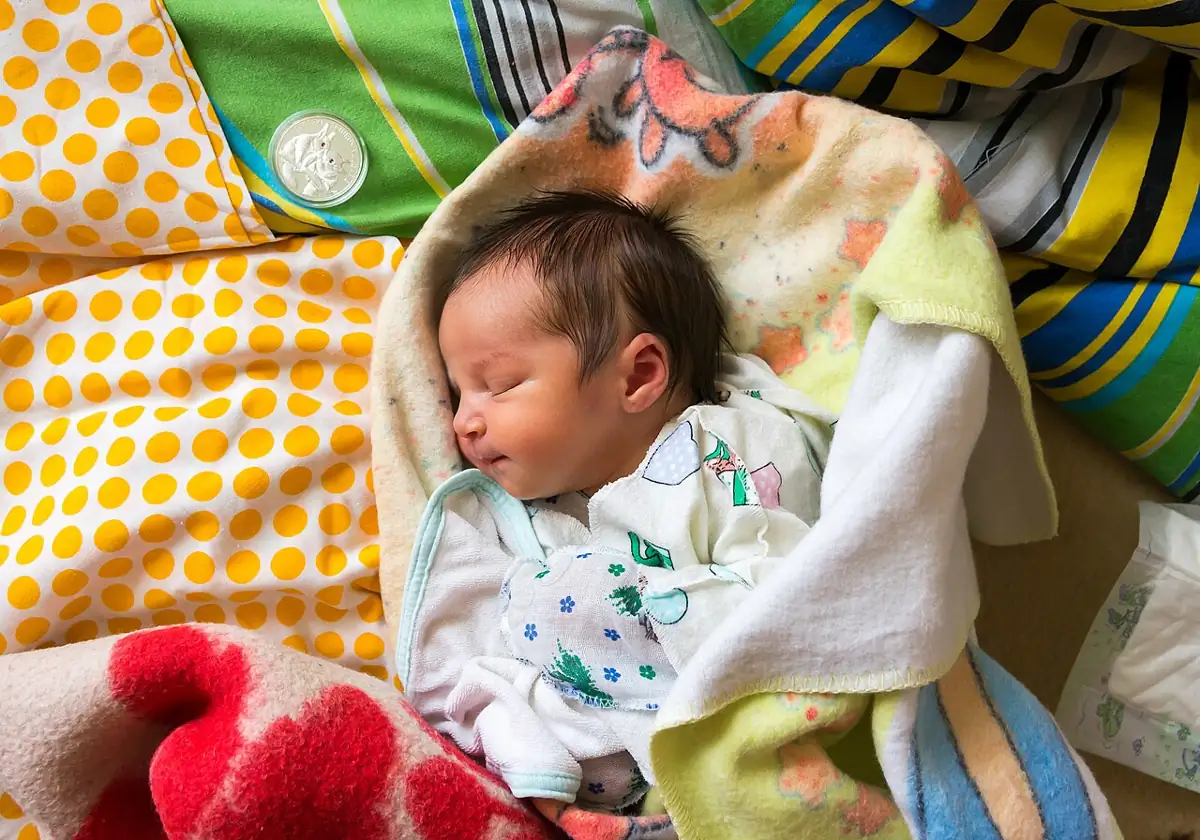
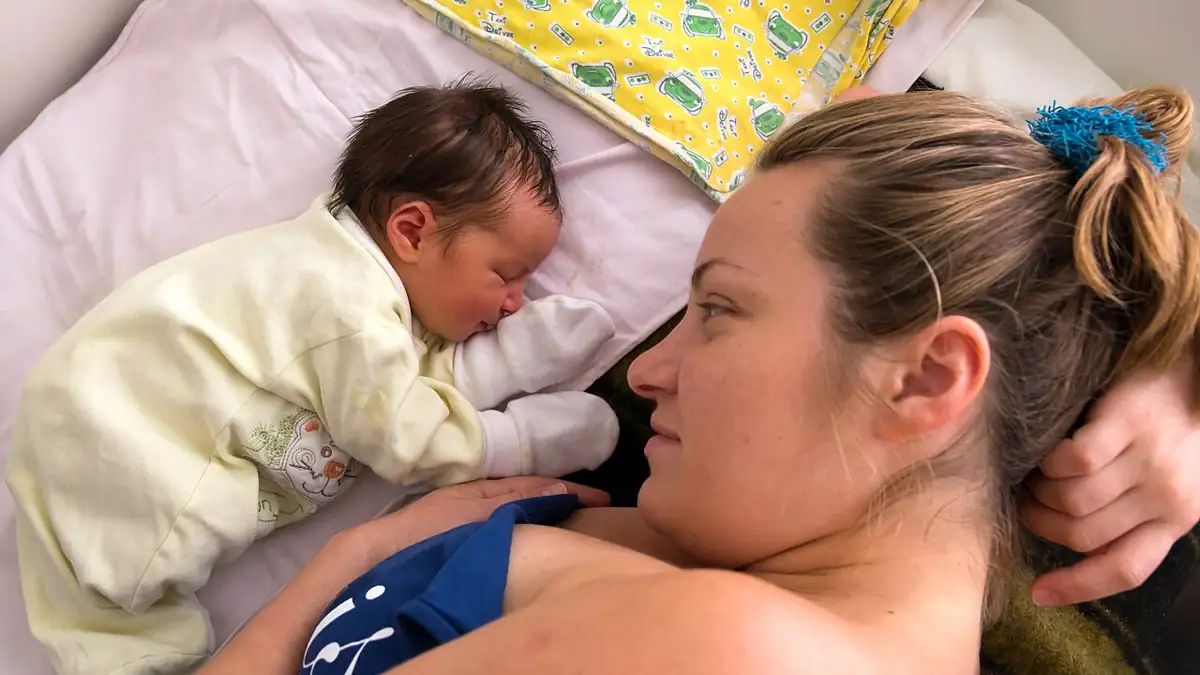
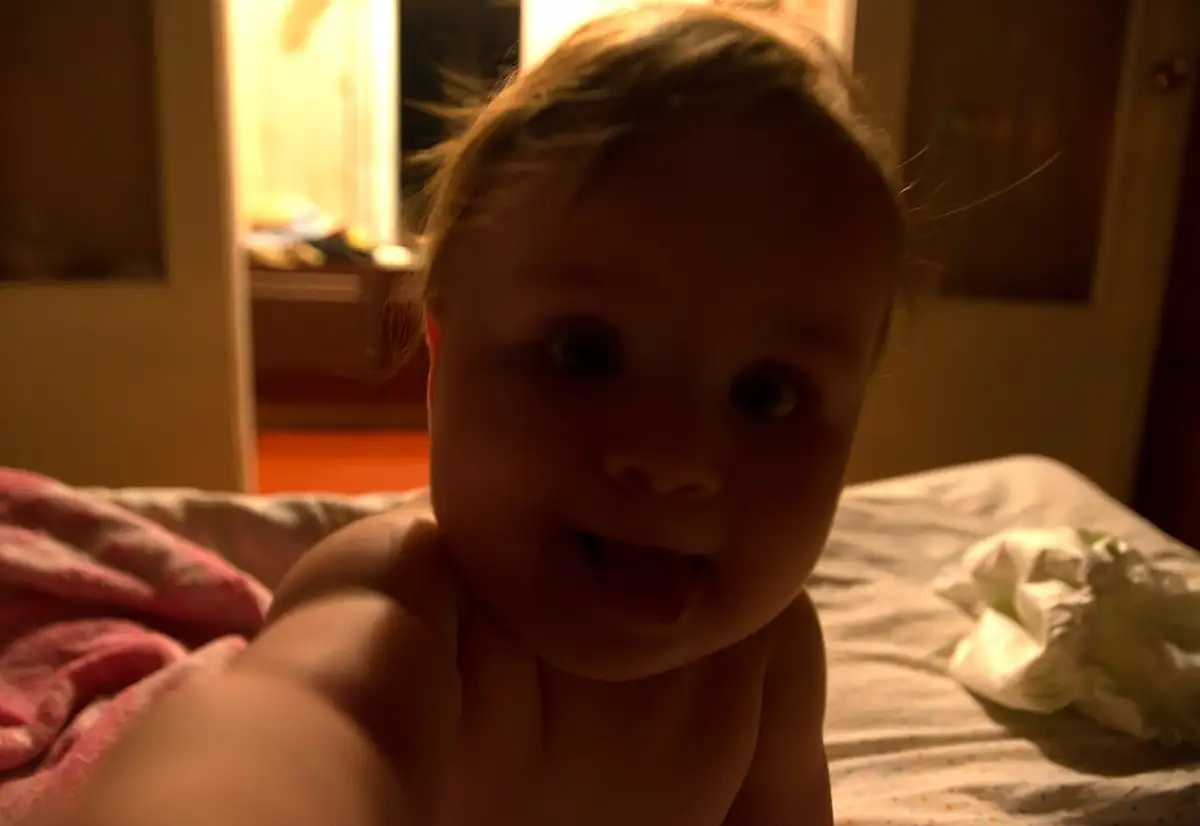

If your baby is already past the newborn weeks, don't worry. An alert two-month-old gives you eye contact and expressions that a sleepy five-day-old can't, and the milestone and cake smash pages pick up from there.