Section 05 · Craft
Photography craft and gear
Most of what makes a portrait work happens before the shutter: where the light comes from, which lens is on the camera and how close you stand. These are my notes on those choices, written in plain terms for parents with a good camera and for people starting out in portrait work.
Who these guides are for
Two kinds of reader tend to land here. One is the parent who bought a capable camera when the first baby arrived and now wants pictures that look less like snapshots. That was me: I loved photography as a girl in Sweden, but it was photographing my sons' first steps that pulled me back in. The other reader is someone starting out in portrait work, who already knows the buttons and wants to understand why some frames feel right and others don't. The guides assume you can change basic settings, and they explain terms the first time they appear.
None of this needs expensive equipment. A camera that lets you choose aperture and shutter speed, one decent lens and a window will take you a long way. If you're photographing your own children, practice on ordinary days as well as birthdays. Children who see the camera every week stop posing for it, and their expressions get easier to catch.
A learning order that works
If you're new to portraits, I'd take the guides in roughly this order. Each step is easier once the one before it has sunk in.
- Learn to see light: window light, open shade and backlight.
- Pick a lens that flatters faces, using picking a lens for people.
- Add a single flash off the camera with one-light portraits, for evenings and dark rooms.
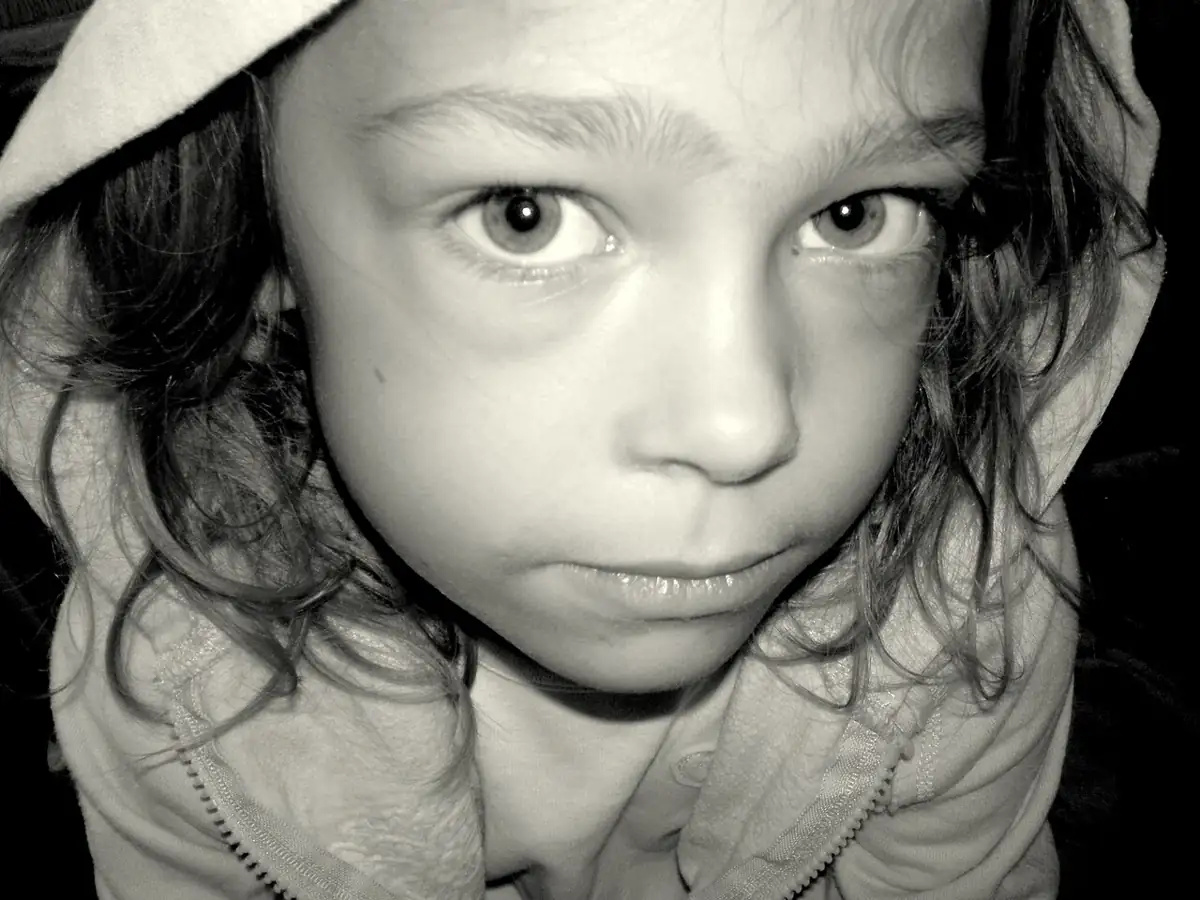
- Practice editing with black and white and selective color.
- Branch out into close-ups, travel and wildlife.
Light first
The natural light guide covers the habits that improve every other kind of picture: turning a face toward the light, finding shade with one open side and staying out of the midday sun. Indoors, I'm a big fan of one large window. When daylight runs out or the sky is too bright behind your subject, a single flash used off the camera fills the gap, and the basic positions are easy to learn. For moody, timeless images, the black and white page also explains why spot color has mostly gone out of fashion.
Lenses and close work
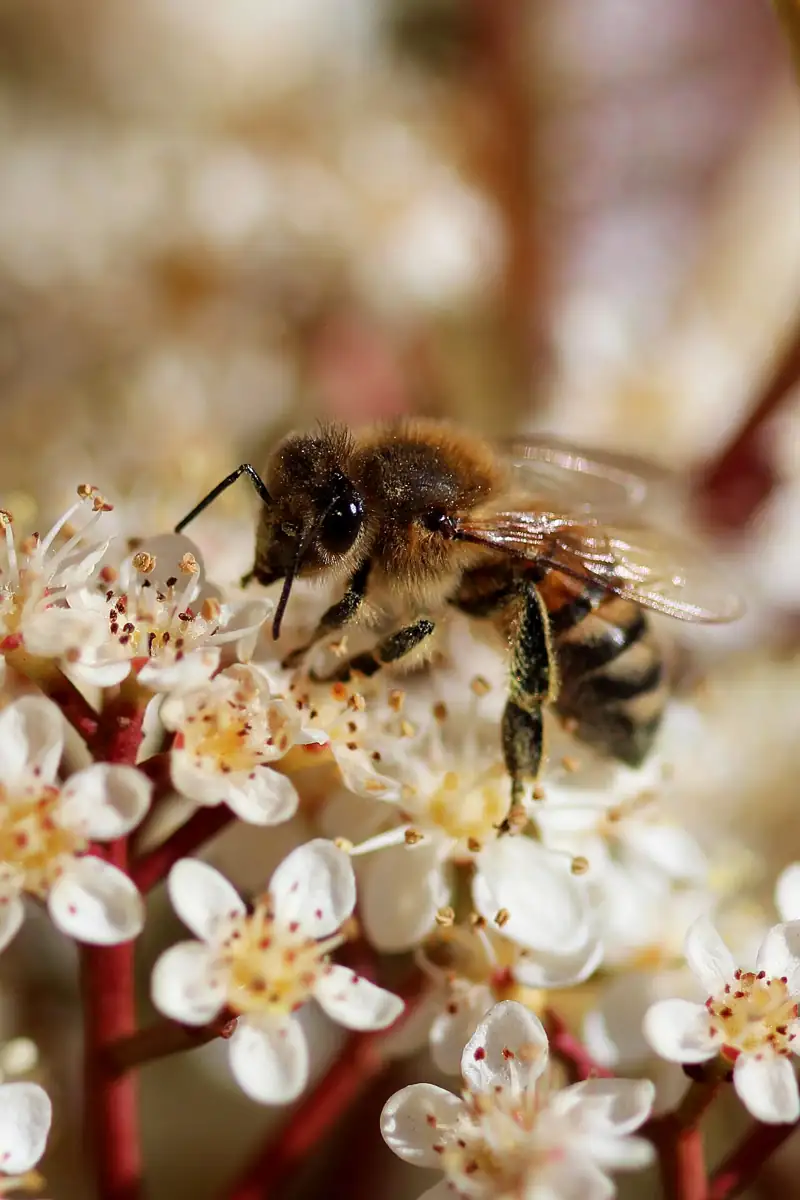
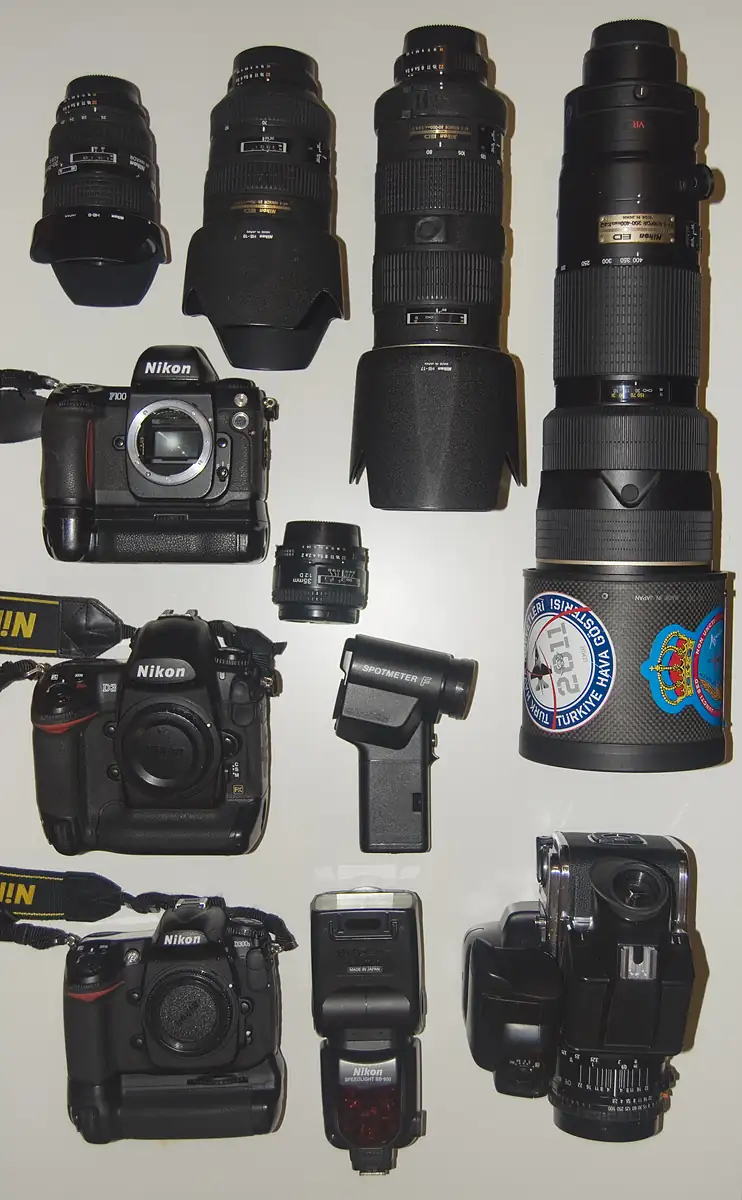
Lens choice changes faces. The lens page compares 35mm, 50mm, 85mm and longer zooms, explains crop factor in one paragraph and suggests what to buy first. Getting very close is a separate skill: macro basics covers tiny details, from a newborn's eyelashes to dew on a leaf. Macro was one of the themes in a monthly blog carousel I took part in with other photographers, and it's a good way to slow down and look harder at small things.
Beyond family portraits
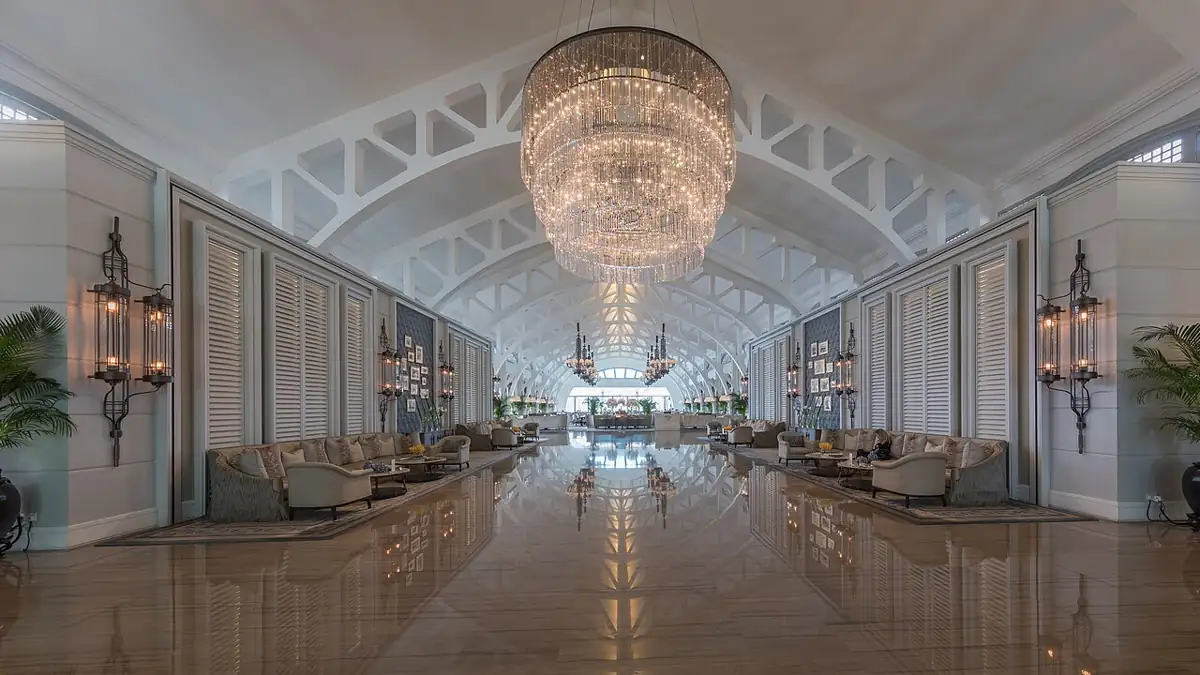
Portrait photographers rarely photograph only families. Many take work headshots for local businesses, which is the subject of headshots for work and books. I've also done commercial work for hotels and other buildings, and that side of the job is covered in architecture and interiors: straight lines, mixed light and tidy rooms.
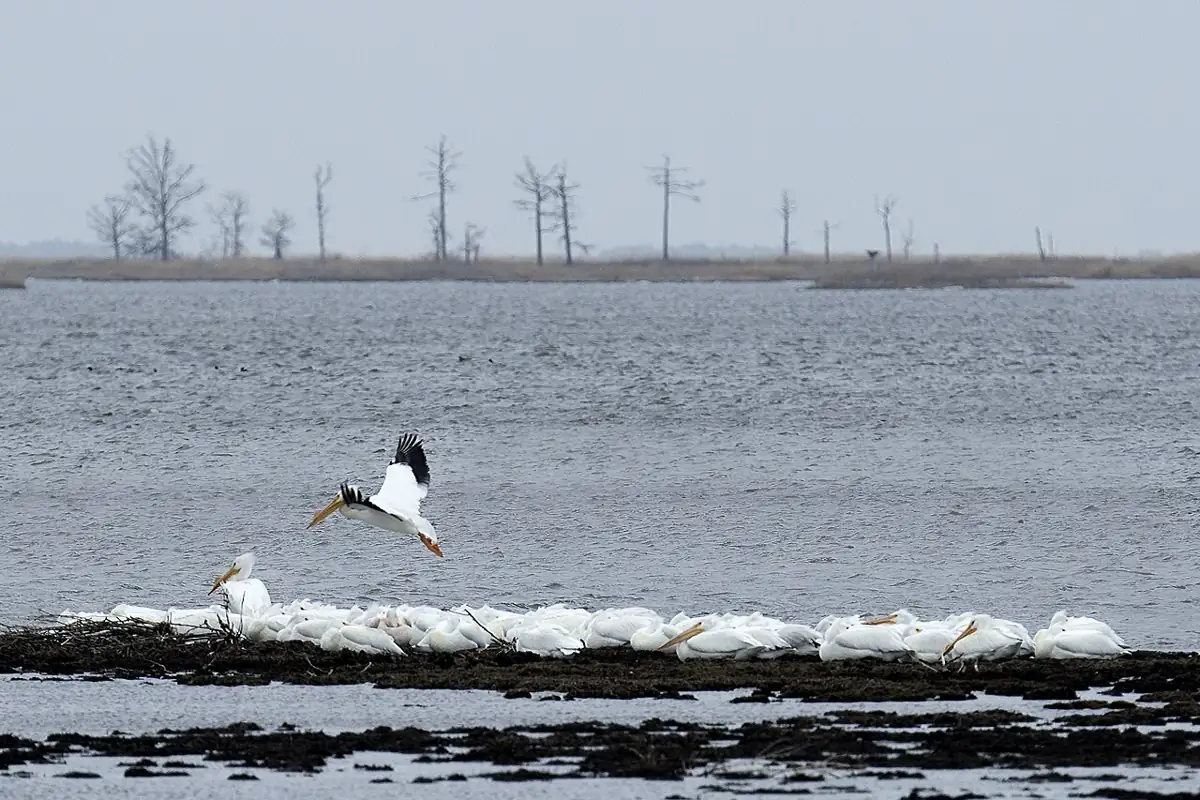
In their spare time a lot of us head outdoors with a long lens. Bird and nature photography teaches patience and fast focusing, and the white pelicans that visit the LSU lakes each year are a fine place to practice.
Taking the camera with you
I never go on a longer trip without a camera, and with family in Sweden that means a lot of flying, which is hard on a camera. Before your next flight, read packing and flying with camera gear, which deals with carry-on bags, security checks and battery rules. My own setup is a rolling camera bag with a laptop insert, and I leave extra time at airport security, because a bag full of lenses usually gets a second look.
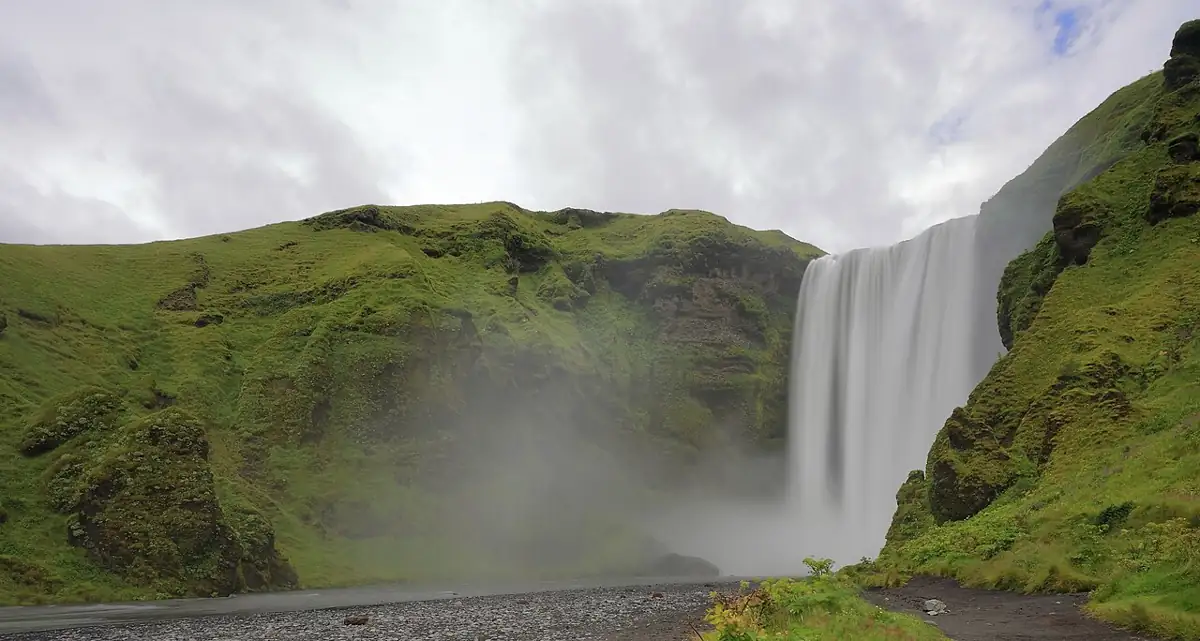
For ideas on where to point the camera once you land, the guide to photographing Sweden and Iceland looks at northern light through the year. It draws on an autumn trip I made through Iceland, Sweden, Norway and Denmark as a commercial travel shoot for LSU Academic Programs Abroad, with a week at home in Dalarna first.
Once you have the pictures, they need to survive. The prints and albums section covers printing, albums and backups.
Every guide in this section
Natural light portraits
Window light, open shade and backlight: between them, these daylight setups cover most family portraits.
Choosing a lens for portraits
How focal length changes faces and backgrounds, and which one or two lenses cover most family work.
Portraits with one off-camera light
A single flash on a stand, moved off the camera, and the handful of positions that cover most portraits.
Macro photography basics
Magnification, paper-thin focus and soft light for close-ups, from dew on a leaf to a newborn's eyelashes.
Black and white and selective color
When to drop the color, how to convert well, and why a single colored object in a grey photo dates so fast.
Traveling safely with camera equipment
The bag, the packing order, battery rules and security habits I rely on every time I fly with a camera and a few lenses.
Travel photography in Sweden and Iceland
Northern light through the seasons, red cottages, waterfalls and weather, from a Swede who went home with a camera.
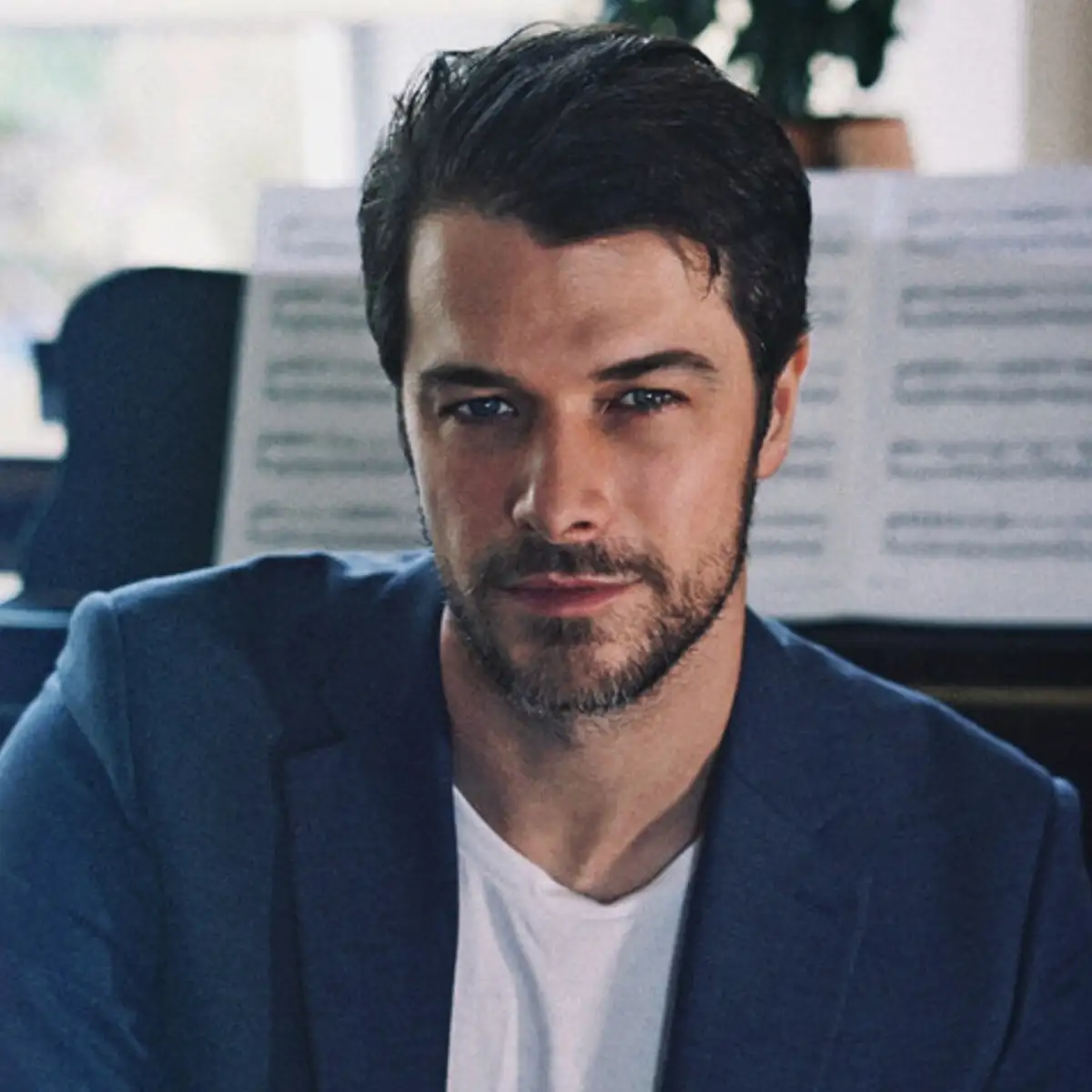
Professional headshots
Light, lens, angle and clothing for a work headshot or author photo that still looks like you.
Bird and nature photography
Long lenses, fast shutter speeds and patience for herons, egrets and the winter white pelicans on the LSU lakes.
Architecture and interior photography
Straight lines, mixed light and tidy rooms, from a portrait photographer who also shoots hotels and buildings.
Pick one guide, try it for a week with whatever camera you own, then come back for the next.