Locations · weather and light
Australian seasons and light: planning outdoor portraits
Coming from Dalarna in Sweden and then living for years in the American South, I thought I knew about hot sun. Australian light still surprised me: it is bright, sharp and high for much of the year, and the seasons run the other way round, with Christmas in summer. Here is how I plan around it.
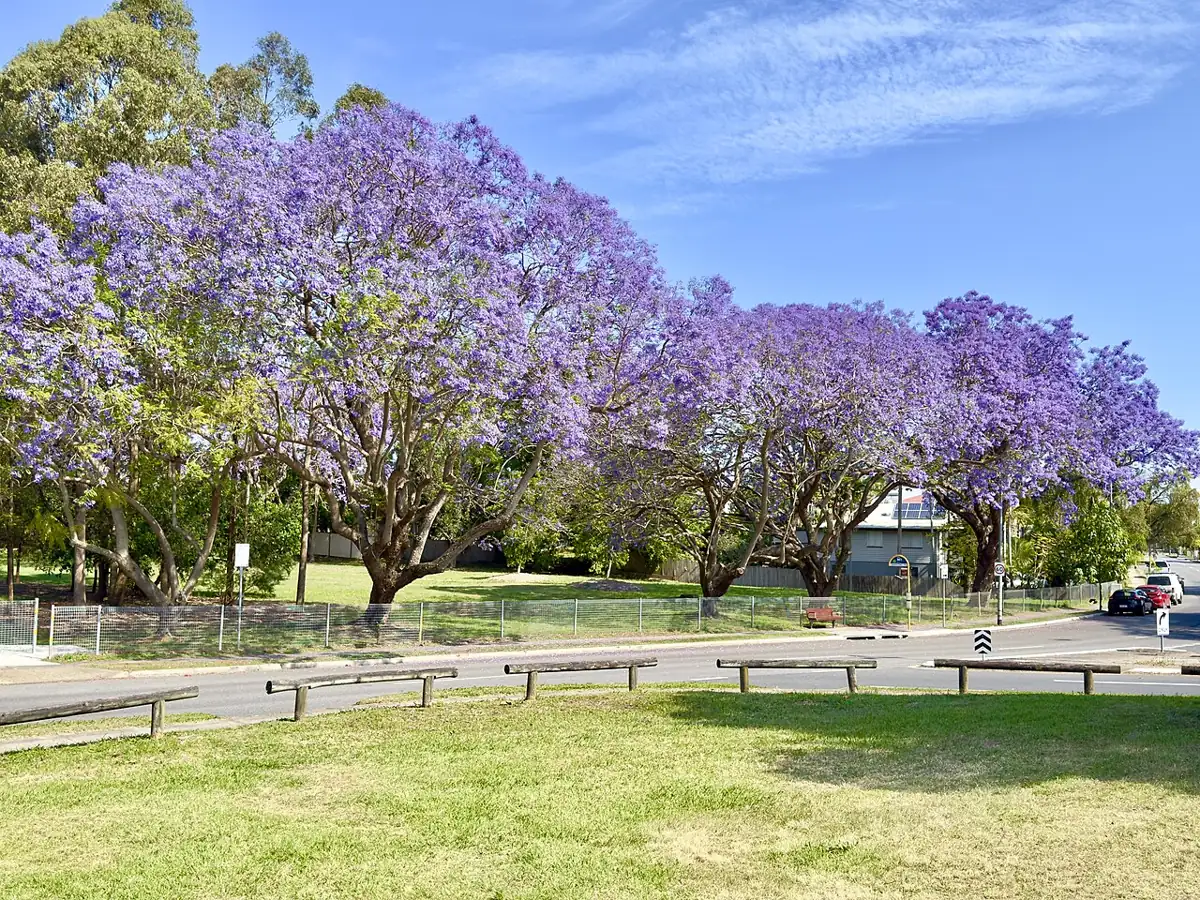
Frame 01The seasons, the right way round
In Australia summer runs from December to February, autumn from March to May, winter from June to August and spring from September to November. That means Christmas portraits are summer portraits, often at the beach or in a garden, and Easter falls in autumn. Mother's Day is in May and Father's Day is the first Sunday of September, both in cooler months, which is handy for outdoor sessions.
The country is huge, so a season means different things in different places. Hobart in winter and Darwin in winter are not the same planet.
Frame 02Golden hour by season
| Season | South (Melbourne, Adelaide, Hobart) | East and subtropics (Sydney, Brisbane) | Tropical north (Darwin) |
|---|---|---|---|
| Summer | Late evenings, start after 7 pm | Sunrise or last hour | Wet season, storms |
| Autumn | Late afternoon, best colour | Late afternoon | Build-down, humid |
| Winter | Low sun, short days | Mild, golden afternoons | Dry season, ideal |
| Spring | Windy, fresh | Early morning | Hot, building humidity |
As a rough rule, I start outdoor family sessions about 60 to 90 minutes before sunset, and earlier in winter when the sun is low all afternoon.
Frame 03UV and heat
UV in Australia can be high even on cool or cloudy days, and very high through most of the warmer months. I ask families to apply sunscreen an hour before we meet, so it has absorbed and doesn't shine on camera. Hats for the walk, water for everyone, and shade for any baby under six months. On very hot days I move the session; a baby, an expectant mum or a grandparent shouldn't be standing in the sun because a booking was made weeks ago.
Frame 04Bushfire season and smoke
Bushfire smoke can cover a city for days in a bad season. Smoky light looks orange and soft, which can be pretty in a picture, but breathing it is not good for anyone, and especially not for babies or pregnant women. If the air quality is poor, we reschedule. Before heading into bushland or the hills in summer, check the fire danger rating and any park closures.
Frame 05The wet season in the north
In the tropical north, around Darwin and Cairns, the year is better described as wet and dry. The wet season, roughly November to April, brings heat, humidity and big storms. The dry season, roughly May to October, has clear skies and lovely warm evenings, and that is when I would plan a portrait trip there. Lenses fog up when you step from an air-conditioned car into tropical air, so take the camera out of the bag ten minutes early.
Frame 06Storms and wind
Summer thunderstorms on the east coast build in the afternoon and can bring lightning and hail. Southern cities get sudden cool changes with strong wind. I check the Bureau of Meteorology forecast the night before and on the day, and if there is a warning, the session moves.
Frame 07Wind and what to wear
Wind matters more than people think. A floaty dress in a stiff sea breeze turns into a sail. Heavier fabrics, hair tied back loosely, and a spare layer for cooler evenings. There is more on colour in my notes on coordinating family outfits.
Other places around the country are in the locations index.