Locations · gardens and old houses
Botanic gardens and heritage homesteads for portraits
Almost every Australian capital has a botanic garden, and many towns have a heritage homestead or historic house with grounds open to visitors. Old trees, verandahs, sandstone and formal gardens make some of the most timeless portrait settings in the country. People care for these places, so they come with rules.
Frame 01What a botanic garden gives you
In a botanic garden, lawns, lakes, avenues and glasshouses give variety in a short walk, and the plants change through the year, so the same garden looks different in each season. Under dense trees the light is soft but can be patchy; I put people at the edge of the shade, facing toward open sky, so the faces are clean and even.
Gardens are busiest on weekends and during school holidays. Weekday mornings and late afternoons are much calmer.
Frame 02Homesteads and verandahs
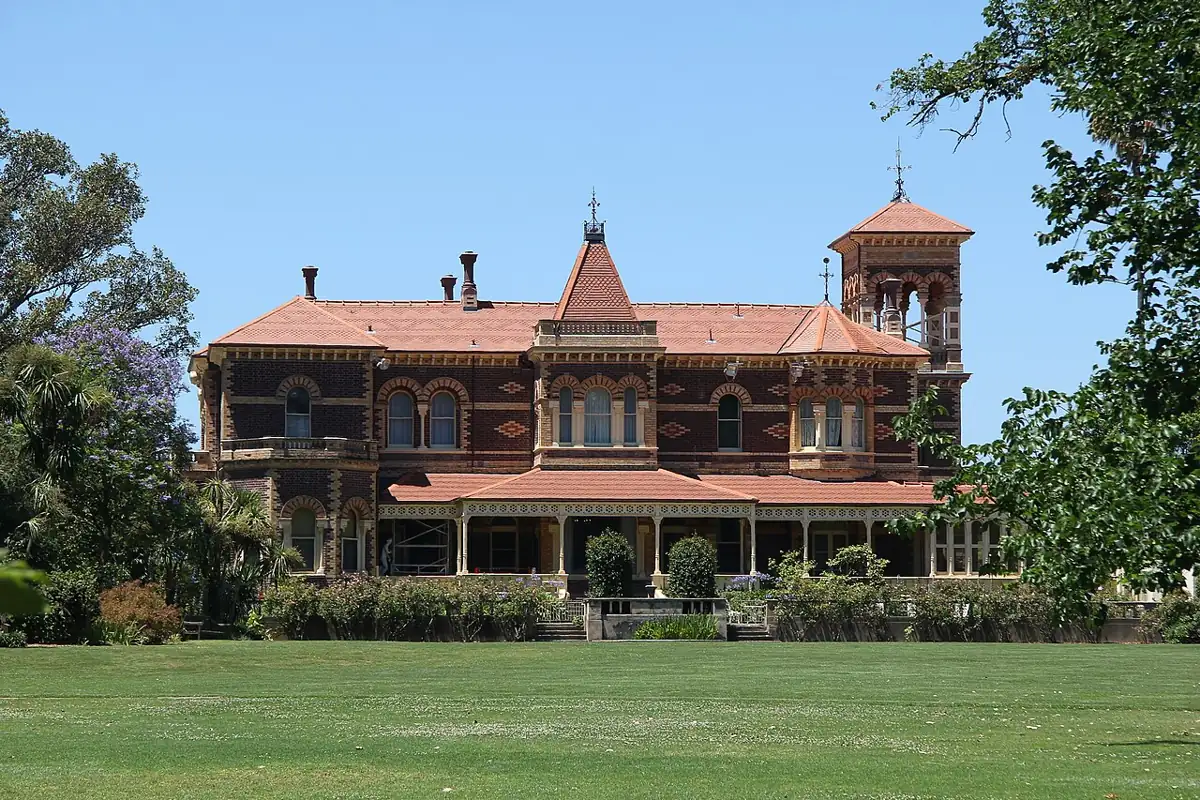
A wide verandah is one of the most useful things in Australian portrait light. It gives deep open shade with bright light coming in from one side, which is very flattering. Old homesteads often have long driveways, mature trees, picket fences and outbuildings too. These suit extended family groups, grandparents and anyone who wants a slower, classic look. There is more on group sessions in photographing grandparents and extended family.
Many homesteads are run by heritage trusts, councils or private owners. Some host weddings and events and may be closed for them.
Frame 03Permits and respect
Botanic gardens often require a permit for commercial photography, and some limit props, tripods, backdrops and drones. Heritage properties usually want you to book in advance and may charge a fee. Rules change, so check with the manager before you book a paid session. On the day, stay on paths, keep off garden beds, never pick flowers or climb trees, and leave nothing behind, including confetti.
Some historic properties carry difficult histories, including Aboriginal dispossession. I keep the tone respectful and steer clear of anything that turns a memorial into a prop.
Frame 04Light through the year
| Season | Garden look | When I shoot |
|---|---|---|
| Summer | Lush, deep shade | Early morning or last hour |
| Autumn | Colour in exotic trees | Late afternoon |
| Winter | Camellias, bare branches | Late morning to early afternoon |
| Spring | Blossom, roses, wisteria | Morning or late afternoon |
Spring is the season families ask for most in gardens, with blossom and roses in the south. More on reading seasons is in Australian seasons and light.
Frame 05Newborn, maternity and family
A garden is gentle enough for a short newborn add-on, if the baby is shaded and comfortable, and you can always retreat to the car. For maternity, avenues and verandahs are my favourites: clean lines, soft light and somewhere to sit. With toddlers I keep one parent ready to chase, and I remind everyone that garden beds are not for running through.
Frame 06What to wear
Classic, timeless clothing suits old houses: cream, white, soft blue, sage and warm neutrals. A pattern can work in a flowerbed setting if it is small and soft. See my notes on coordinating family outfits.
Other places around the country are in the locations index.