Prints & albums · choosing well
How to choose a portrait photographer
Digital cameras made it easy for anyone to say they are a photographer, and plenty of people with a good camera take lovely pictures now and then. Lighting a sleeping newborn, or keeping a running toddler's eyes sharp at a wide aperture, is as hard as it ever was. I've spent a lot of hours at workshops and conferences learning that side of the job, and I've been a member of PPA and WPPI and entered international print competitions to test my work against other people's. This is what I would look for if I were choosing someone to photograph my own family.
Frame 01Art and accidents
There is a line that gets passed around among portrait photographers, from a convention panel: creative people have to learn the classics, because that is the difference between art and accidents. I agree with it completely. Anyone who shoots enough frames will eventually get a good one. A trained portrait photographer gets a good one on purpose, session after session, because they understand exposure, lens choice and light well enough to stop relying on luck.
In my experience three things separate a professional from someone with a nice camera: technical skill with the camera itself, an understanding of light, and knowing which lens to use when. You see them across a full session, in frame after frame that is sharp and well lit.
This matters most for moments you cannot repeat. A newborn is only a few days old once. A high school senior graduates one spring. When a cheap session fails, families often end up paying a second photographer to do it again, and the total ends up higher than booking carefully would have cost.
Frame 02Read the portfolio properly
Look past the first ten images on a website. Open a full gallery if the photographer will share one, because a portfolio shows the best frame from fifty sessions while a gallery shows what one family actually received. Check that the eyes are sharp, that skin looks like skin, and that whites are white instead of blue or yellow.
Look for variety in light. Someone comfortable with window and open shade light and with a single off-camera flash can work in a dark living room in January and under the oaks in July. If every image in the portfolio was shot in the same spot at the same hour, ask what happens when the weather or the baby does not cooperate.
| What to check | Good sign | Warning sign |
|---|---|---|
| Focus | Eyes crisp, even at wide apertures | Ears or noses sharp, eyes soft |
| Skin | Texture still visible after retouching | Plastic, blurred faces |
| Color | Consistent from image to image | Each frame a different tint |
| Light | Catchlights, shape on the face | Flat light or harsh noon shadows |
| Variety | Studio, home and outdoor work | One spot, one pose, one hour |
Frame 03Light and lenses: what to listen for
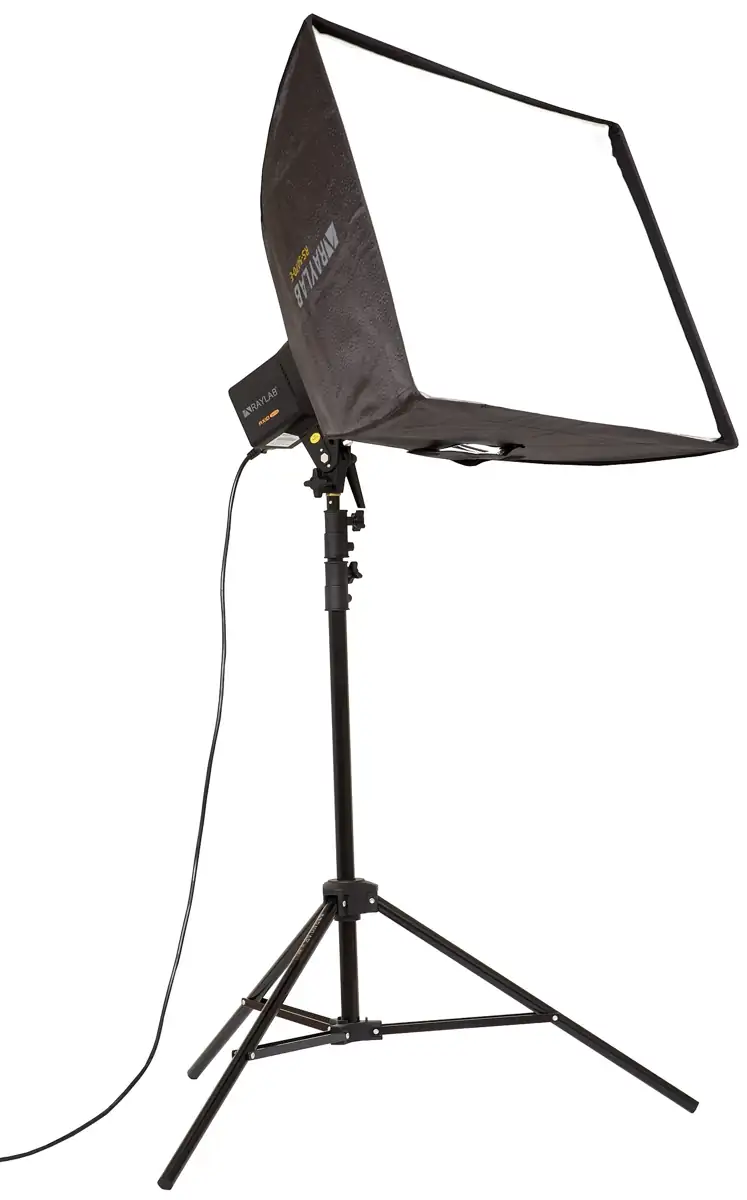
You do not need to know any technical vocabulary to judge this. Ask a photographer how they would handle your session, and listen to how they talk about it. Someone who knows their craft will mention the light first: which room has the best window, what time the sun drops behind the trees, whether they will bring a light of their own. That is how I plan every session, and why my own scheduling advice is daytime for studio and indoor sessions and early morning or early evening for anything outdoors.
Lens choice is harder to spot. A wide angle lens close to a face stretches noses and foreheads. A longer portrait lens flattens features in a flattering way and blurs the background. A photographer who switches lenses for a reason, and can tell you the reason, is working on purpose. If you are curious about the details, I wrote about how I choose a lens for portraits.
Natural moments and posed ones
Every session I photograph is a mix of unposed, natural moments and posed portraits. Ask any photographer what their balance is. Some only pose, some only follow the family around, and both approaches can be lovely. Find out which one you are booking, so the gallery matches what you hoped for.
Frame 04Ask to see big prints
A phone screen hides soft focus and heavy smoothing. A 16x20 on a wall shows everything. A portrait studio with no large prints on display is a warning sign to me, because large prints are where technical weakness becomes obvious. If the photographer works from home or on location, ask to see a sample album or a canvas they have delivered. The chart of standard print sizes helps you judge what a wall portrait from a given camera file can carry, and my notes on canvas and framed wall portraits show what a finished piece should look like up close.
Stand close to a large sample print, then step back to the other side of the room. Up close you should still see sharp eyes and real skin texture. From across the room the picture should hold together as one clear image.
Frame 05Training and professional groups
Membership of a national or state professional photographers' association does not guarantee good pictures, but it tells you the photographer has chosen to be accountable to peers and usually that they keep going to workshops and conventions. That has been true for me: the conferences and print competitions taught me a great deal, mostly by showing me where my work still fell short.
Many newborn photographers also take specific courses in safe posing. Ask what training they have had in handling babies; a careful photographer can name the course and describe how they support a baby in each pose. My page on newborn posing safety lists what a careful photographer will and will not do.
Frame 06The hours you do not see
Culling, editing, retouching, an ordering appointment, sending files to a lab, checking prints and delivering them all happen after the camera is packed away. For one family it adds up to many hours, often more than the session itself. That work is the main reason professional pricing looks high next to a friend with a camera.
When you compare offers, ask what happens after the shoot. Will you see your proofs in a viewing appointment or a password-protected online gallery? Is retouching included on the final prints? Then read how session fees and print credits work before deciding which offer is really cheaper.
Frame 07When a price looks too good
Very low prices usually mean one of three things: the photographer is new and building a portfolio, the files will be delivered with little editing, or the business will not last long enough to reprint your album in five years. Any of these can be acceptable if you know what you are paying for. A portfolio-building session can be a fair deal if you see real work first and your expectations match.
What I would avoid is booking on price alone for a session you cannot redo. A newborn session or a senior portrait is worth a little research.
Frame 08Narrowing it down
- Shortlist three photographers whose style you like across a full gallery.
- Check that they photograph the kind of session you need, whether that is a newborn, a maternity shoot or a family of eight.
- Ask the practical questions about booking and proofs by email or phone.
- See at least one physical print or album.
- Notice how the conversation felt. You will spend an hour or more in front of this person, and children pick up on nerves quickly.
- Book the one whose answers were clear and whose work you would hang on your own wall.
For what happens after you book, the prints and albums section follows a gallery from proofs to frames.