Section 04 · Locations
Portrait locations in Baton Rouge and South Louisiana
Baton Rouge has been my home town since the fall of 1998, and I've found a few favorite outdoor spots around it. South Louisiana gives a photographer moss-hung oaks, a big river, flat green country and a Gulf coast within a few hours' drive. It also gives heat, sudden storms and mosquitoes, so the place and the hour have to be chosen together.
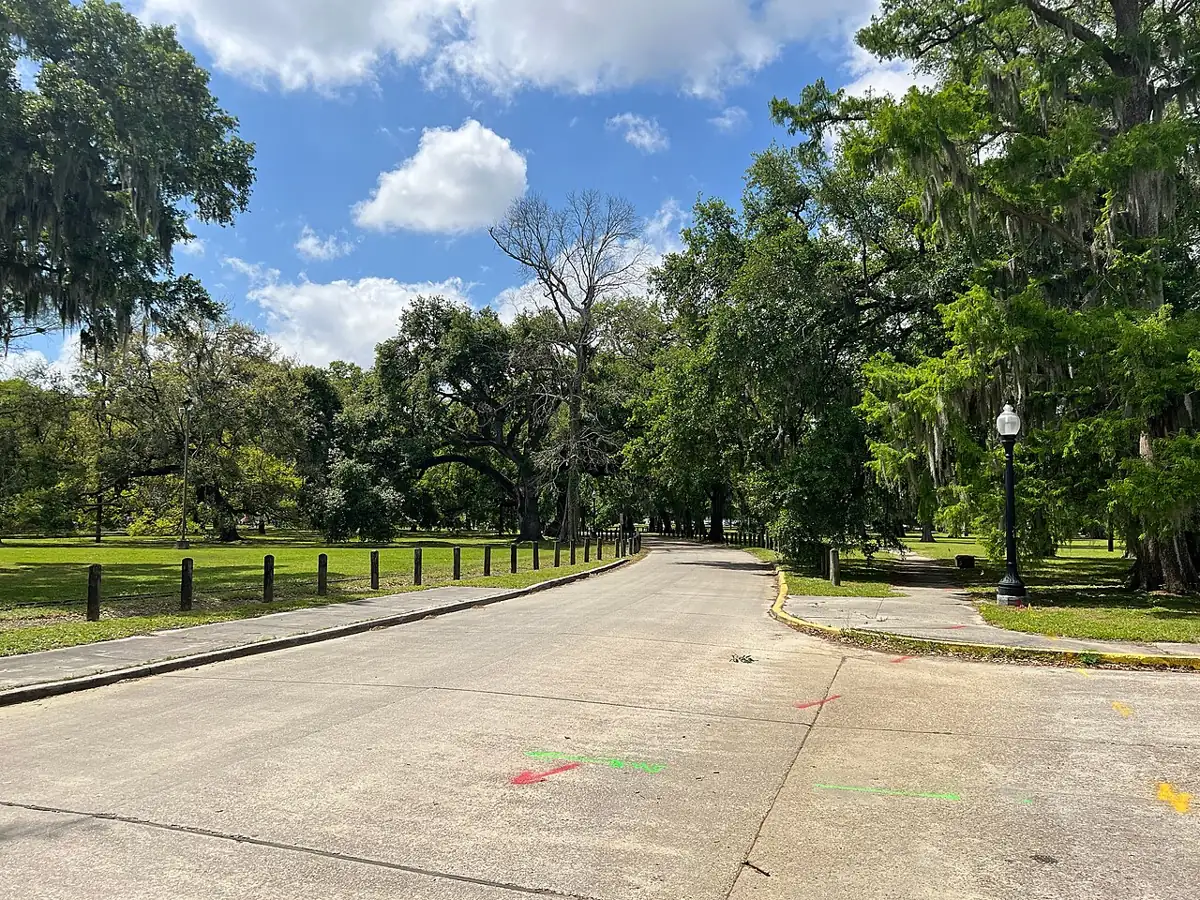
Choosing a place that suits the session
A location should do two jobs. It should look like somewhere the family recognizes, and it should give me open shade, a clean background and a bit of room to move. A newborn needs none of that and is better off indoors. A toddler needs space to run and a parent nearby. A high school senior often wants a setting that says something about the past four years, and a couple expecting their first child may want quiet more than scenery.
The guides in this section describe the places families around Baton Rouge ask me about most often. I don't rank them. Each one covers what the setting looks like on camera, when the light is kind to it, how busy it gets and what to check before you go.
The settings at a glance
| Setting | Suits | Best light |
|---|---|---|
| Live oaks | Families, maternity | Evening, under the canopy edge |
| LSU campus | Seniors, alumni families | Early morning, quiet weekdays |
| Downtown and levee | Couples, teens, an urban look | Evening, river side |
| Country settings | Big groups, a slower look | Last two hours of daylight |
| Lakes and City Park | Toddlers, walking portraits | Sunrise or near sunset |
| Gulf beaches | Vacation family portraits | The hour before sunset |
These are starting points. A shady corner of almost any park can work if the timing is right.
Trees, campus and downtown
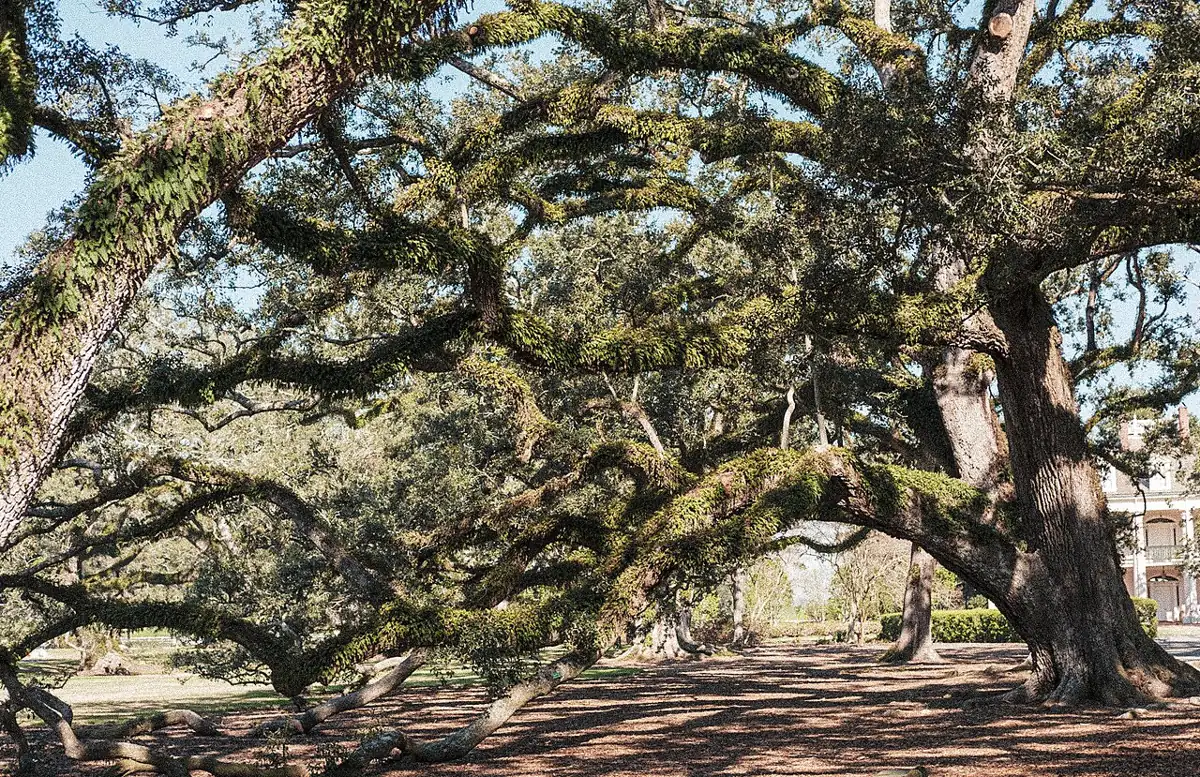
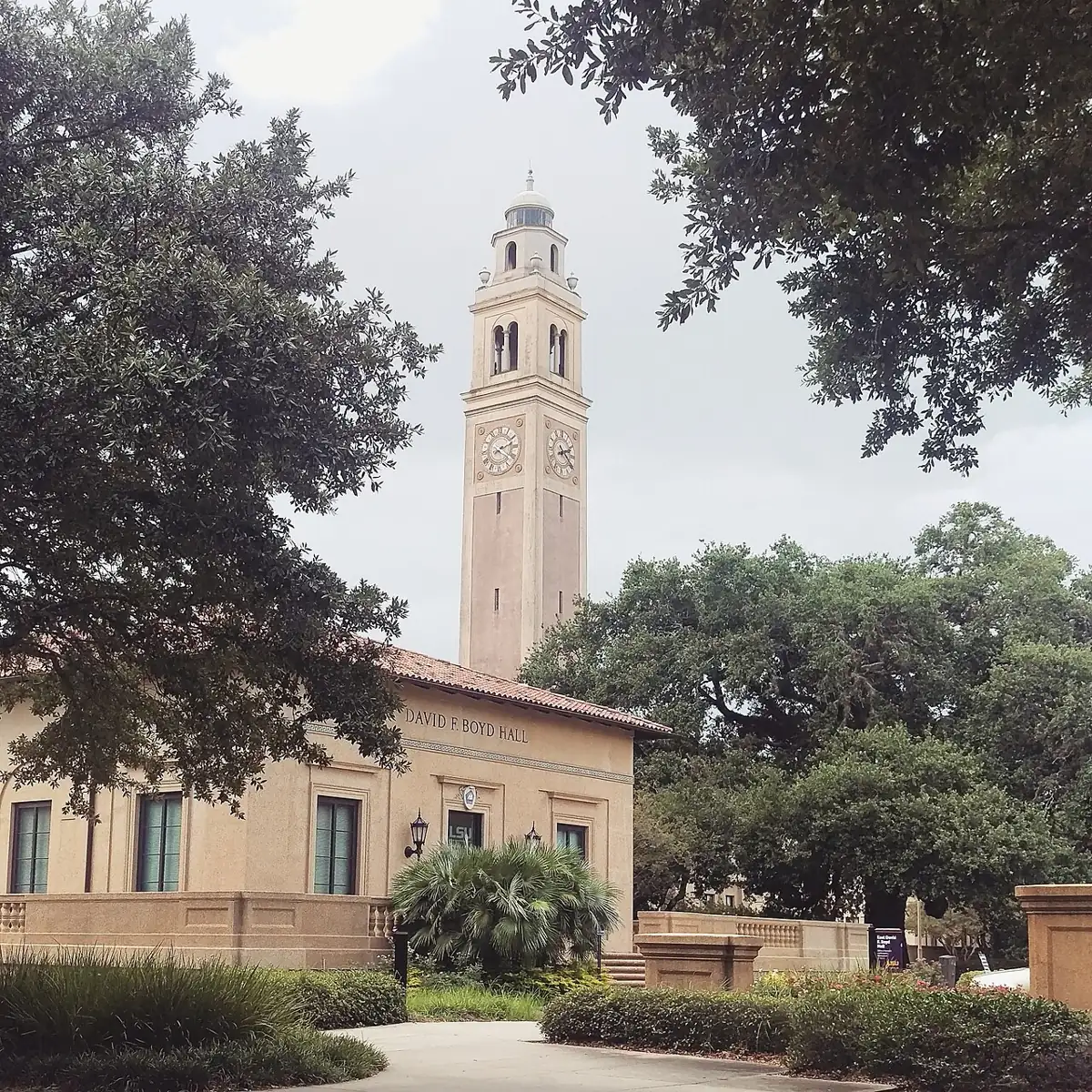
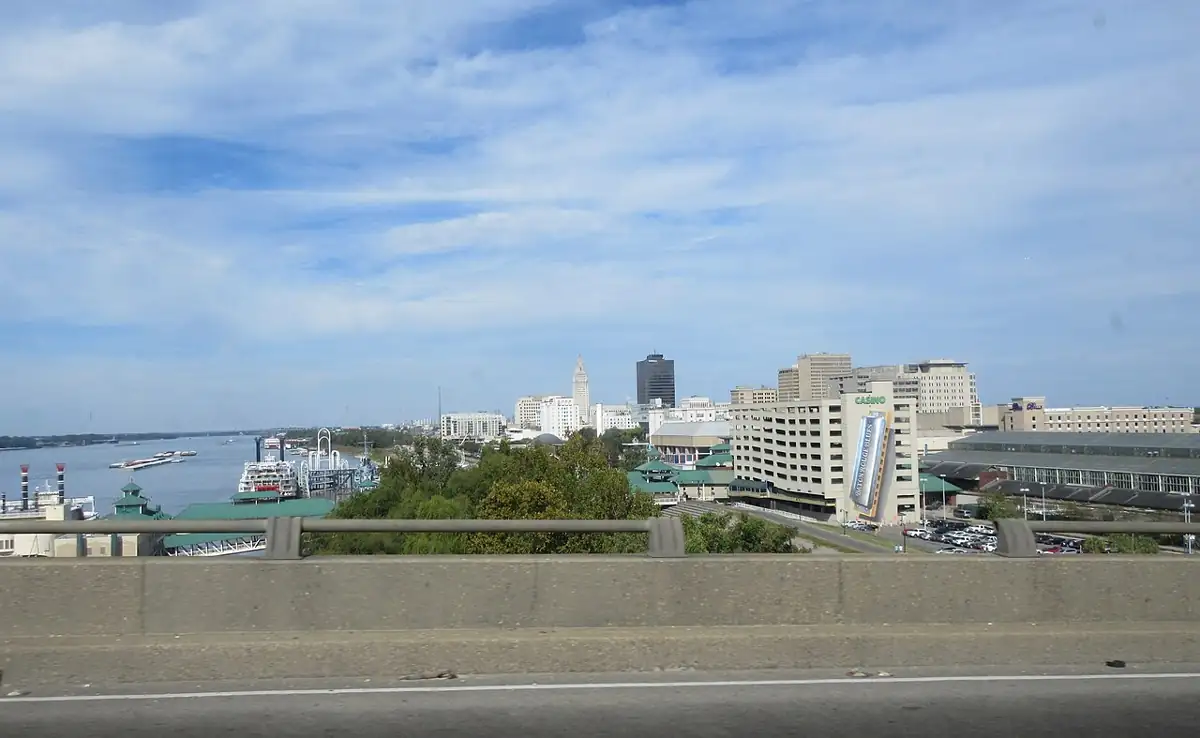
Live oaks are the backdrop people picture first, and I keep coming back to them. The page on oak alleys and historic grounds covers working under a heavy canopy and behaving well on sites that carry a difficult history. Many families have a tie to the university, and portraits on the LSU campus explains where the oaks, the clock tower and the stadium sit, and which days to avoid. If you'd rather have brick, columns and a skyline, read the guide to downtown and the riverfront, which starts at the State Capitol.
Country settings, water and the coast
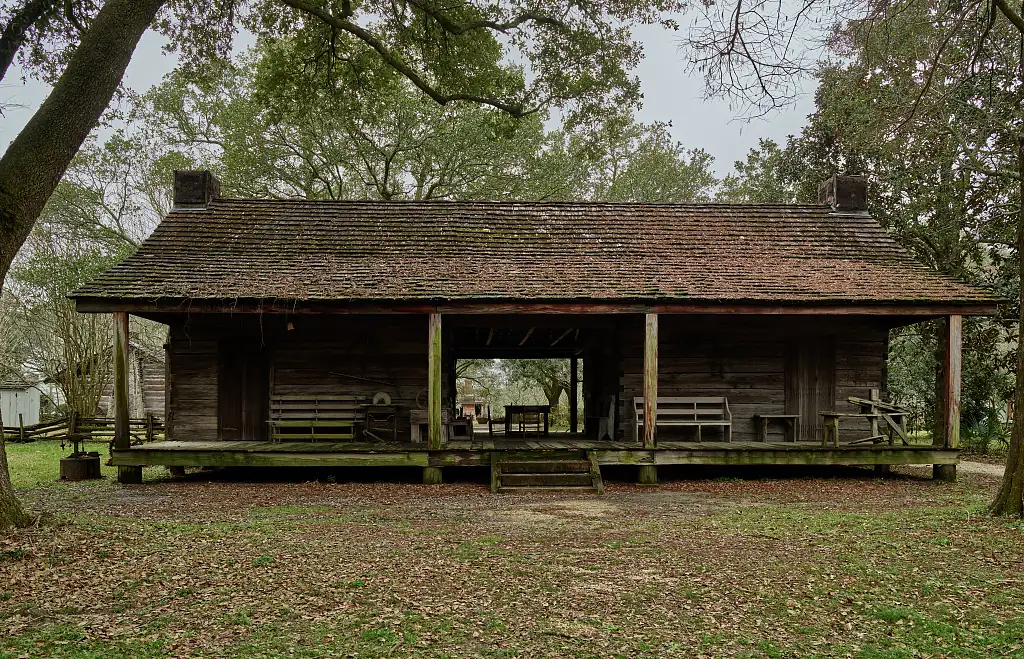
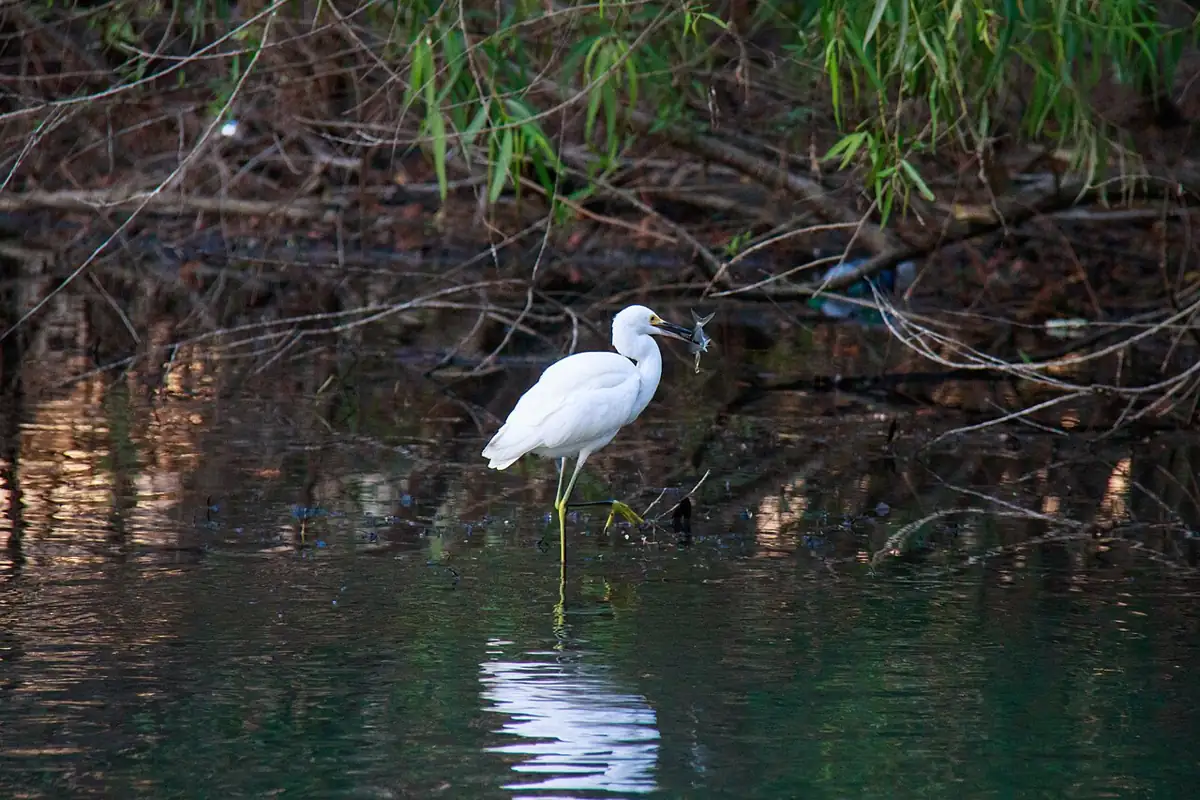
Fields, fences and old wooden buildings suit families who want a quieter, rural look. The country settings page starts with the LSU Rural Life Museum and moves out to farmland around the city. Water brings its own light, and the lakes near campus are good for walking portraits. White pelicans gather there for a couple of weeks each year, usually around late fall, and I still go down with a long lens to watch them land.
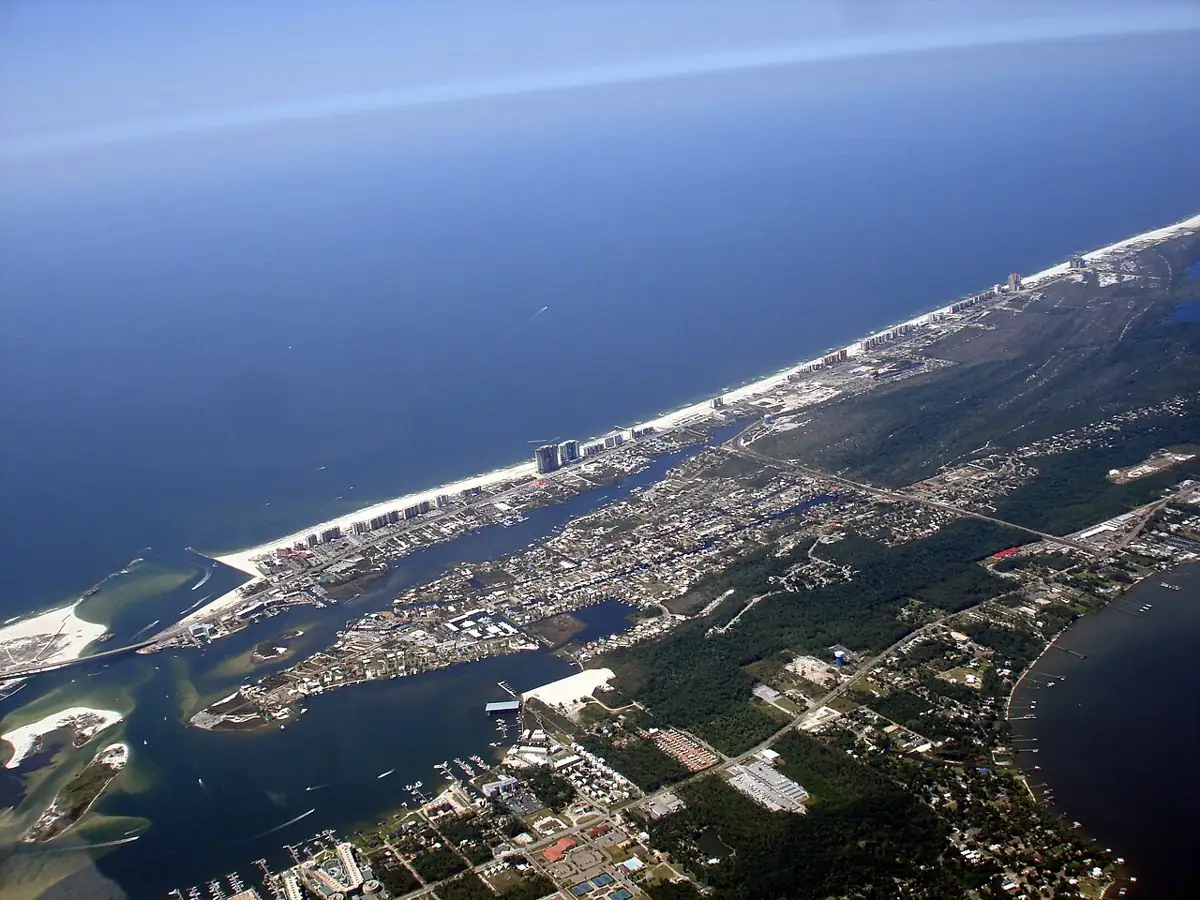
East of the city, Denham Springs and Livingston Parish offer antique storefronts and river woods. For a summer trip, the Gulf beach guide deals with glare, wind and the hour before sunset on white sand.
Planning around the weather
Coming from Dalarna, I had to learn Louisiana weather from scratch. From late May to September the hours between ten and four are hot, bright and often stormy. My outdoor sessions pick up in spring and carry on until it gets unbearably hot, then start again as fall cools down, and they always go early in the morning or early in the evening. The page on heat, humidity and storm season goes through that calendar month by month.
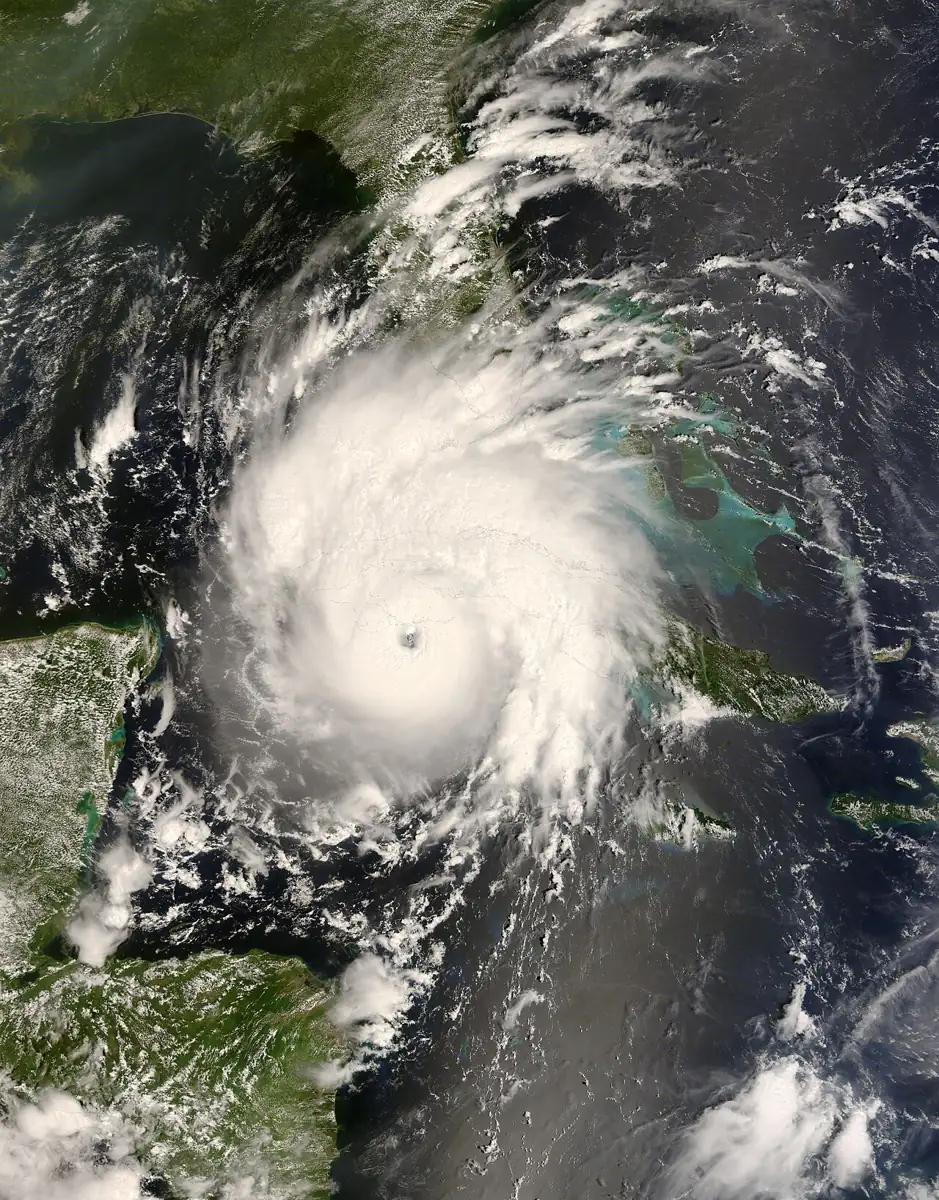
The Atlantic hurricane season officially runs from June 1 to November 30. I take forecasts seriously; after Katrina we were without power for four days. If a storm is heading our way, the session moves to another day; nobody should be driving small children across town under a darkening sky.
Local traditions can give a session a theme. Purple, green and gold in February, or a small fan in a football jersey in the fall, are covered in Mardi Gras and other local themes.
Permits, permission and good manners
Rules for photography change from place to place and from year to year. Museums, gardens, campuses and private venues may ask for a permit, a fee or advance notice for professional sessions, and some don't allow them at all. Check with each venue before you book. Staff can tell you which areas are off limits, and a phone call ahead saves you from being asked to leave halfway through.
Wherever you go, keep paths clear, leave plants and fences as you found them and take every prop home. For what to wear in each setting, the family wardrobe guide has color advice that works outdoors, and for expectant mothers the outdoor maternity guide covers heat and footwear.
Every guide in this section
Live oaks and historic grounds for portraits
Working under heavy oak canopy and on old house grounds, with notes on light, permission and tone.
The LSU campus as a portrait backdrop
Oaks, tower, stadium and lakes on the LSU campus, and the weeks when you will struggle to find a quiet corner.
Downtown Baton Rouge and the river
Capitol towers, the levee walk and brick side streets for families who want an urban look.
The Rural Life Museum and country settings
Weathered wood, fields and fences for families who want a slower, country look.
The LSU lakes and City Park
Water, cypress and evening light by the lakes, plus winter pelicans and how to work around joggers.
Denham Springs and Livingston Parish
Antique storefronts, river woods and small-town streets a short drive east of Baton Rouge.
Family portraits on the Gulf Coast beaches
White sand, wind and the last hour of light at Orange Beach and Gulf Shores, for families on a summer trip.
Heat, humidity and storm season: planning shoots in South Louisiana
A month-by-month view of outdoor light around Baton Rouge, plus storms, fogged lenses and hurricane season.
Mardi Gras, game days and other local themes
Purple, green and gold, king cake and team colors, with ideas for keeping a themed portrait simple.

If you can't decide between two places, pick the one closer to home. A shorter drive means a calmer child, and that shows in the pictures.