Locations · Gulf beaches
Family portraits on the Gulf Coast beaches
Many Baton Rouge families spend a week each summer on the Alabama coast at Orange Beach or Gulf Shores, and a beach portrait is often on the list. The white quartz sand and green water photograph beautifully, but they also bounce a lot of light, so timing matters more there than anywhere inland. This is how I plan a beach session so nobody squints or burns their feet.
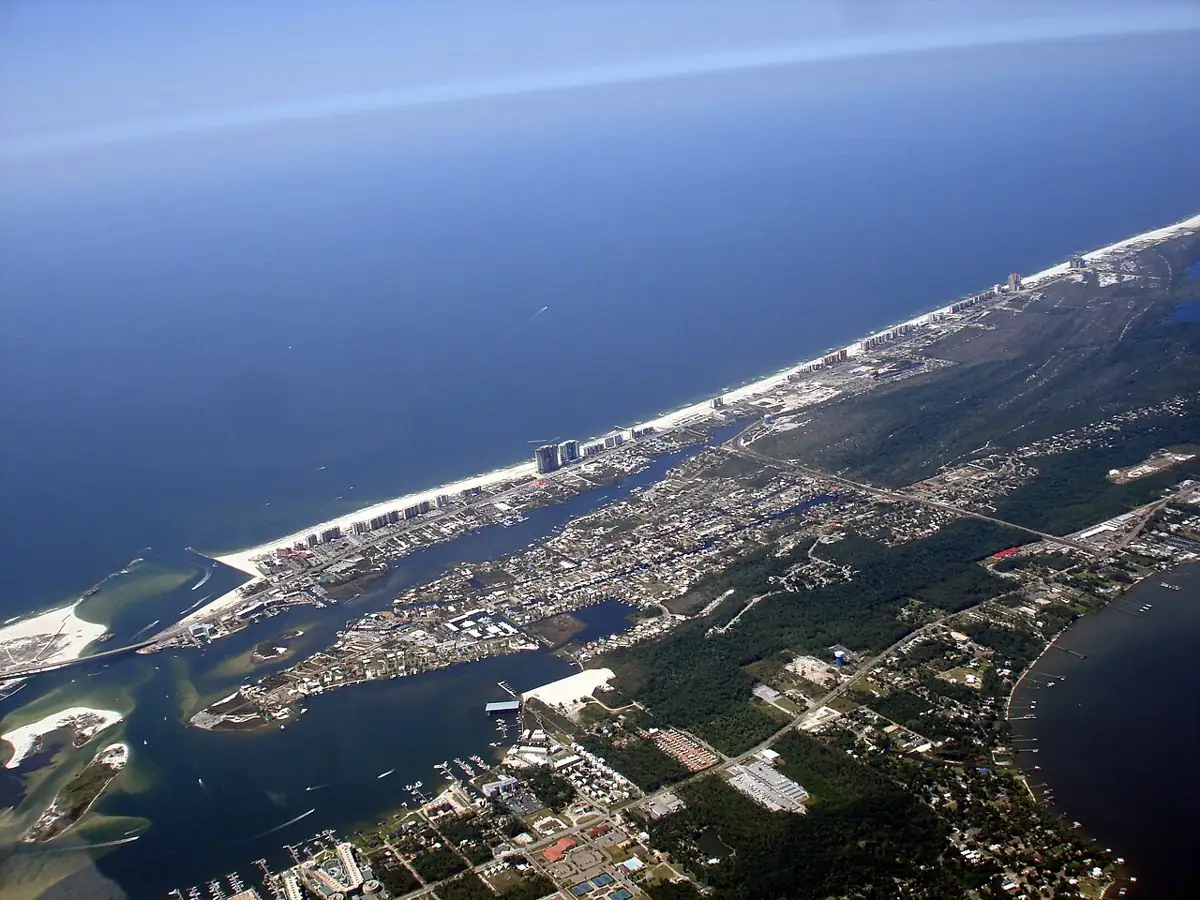
Frame 01Why families bring the beach home
Of all the pictures from a summer trip, the beach portrait is the one people tend to hang on the wall. Everyone is barefoot, a little sunburned and relaxed in a way they rarely are in town. I love to travel and never go far without a camera, and the Alabama coast is close enough to Baton Rouge that many families here know it as well as their own street.
It also has light that behaves differently from anything inland. The sand is so white that it acts like a giant reflector, so the same rules that work under an oak in Baton Rouge need turning around on the coast.
Frame 02Why midday fails on white sand
The sand along this stretch of coast is very fine and very white. At midday it lights faces from below while the sun lights them from above. Everyone squints, eyes vanish into shadow and the sand burns out to blank white in the picture. Bare feet also burn on hot sand in the afternoon, which ends sessions with small children quickly.
The last hour before sunset is the usual answer. The sun is low and warm, the sand cools, and faces can be turned so the light comes from the side or behind. Early morning works as well and is quieter, with fewer people on the beach and calmer wind.
Where the sun actually sets
These beaches face south. In summer the sun sets well to the northwest, behind the coastline and the buildings, so you get warm side light along the beach rather than a sun dropping into the sea. In late fall and winter it sets farther to the southwest, closer to the water line. Stand on the sand the evening before your session and watch where the light goes; ten minutes of scouting saves a lot of guessing.
Frame 03A sunset session, minute by minute
- About 60 minutes before sunset, meet on the beach, shoes off, a few relaxed frames of the family walking at the water line while the light is still fairly bright.
- At 45 minutes before, take the main group portrait, sun behind and to one side, faces lit by the bounce from the sand.
- At 30 minutes before, move to smaller groups: each child alone, parents together, grandparents with grandchildren.
- From 15 minutes before until sunset, let everyone play, chasing waves or spinning a child around, in the warmest light of the evening.
- After sunset, finish with silhouettes against the colored sky, then a few quiet frames in the blue light before everyone heads in.
Big families on a reunion trip often want every combination. The guide to grandparents and extended family portraits has the order I use so nobody waits too long.
Frame 04Wind and water
There is almost always a breeze on the Gulf. It lifts hair across faces and flaps loose shirts. Position people so the wind blows hair back from their faces, which usually means facing into it. A light dress blowing sideways can be the best frame of the evening if you plan for it.
Keep cameras and lenses away from spray and blowing sand. Change lenses inside the car, not on the beach, and wipe gear with a dry cloth afterwards. Salt air is hard on equipment, a point that also comes up in the guide to protecting camera gear on trips. A plain plastic bag over the camera between frames is not elegant, but it works.
Frame 05Camera settings on bright sand
White sand fools a camera's meter into underexposing, so faces come out grey and the sand looks dirty. I meter for skin and add exposure until the sand is bright but still shows a little texture. As starting points: f/4 for a couple, f/5.6 to f/8 for a larger group in a line, and a shutter speed of 1/500 s or faster for children running at the water. ISO can stay low until the sun is down. A lens hood helps a lot when shooting toward the low sun.
Frame 06What to wear on the beach
White and cream with khaki, or soft blues and greens that echo the water, are classic beach choices. Avoid busy prints and neon swimwear unless the family wants a fun, casual look. Bare feet look natural in the sand. Shirts and dresses that are slightly loose move well in the wind, and linen forgives wrinkles from the car. The family wardrobe guide covers coordinating colors without matching exactly.
- Outfits on hangers, changed into just before the session
- Hair ties and a wide-tooth comb for the wind
- Water, towels and a full change of clothes for each child
- Baby powder to get wet sand off feet and legs
- A bag for shoes, so nobody walks back on hot pavement barefoot
Frame 07Beach rules and courtesy
Gulf Shores and Orange Beach have local rules on beach use, such as what can be left on the sand overnight and where you can walk on the dunes. Rules for photographers depend on where you set up. Gulf State Park, which runs several public beach access points in both towns, says on its beaches page that commercial photographers must buy an annual permit to use those access points as a venue. City beaches have their own rules, so check with the city before a paid session elsewhere.
Never walk on or pose in the dunes: the sea oats hold them together, and the dunes are often fenced and protected. Sea turtle nesting season runs from May 1 to October 31, when the beach towns ask everyone to keep lights off the sand at night, so I skip flash after dark and leave marked nests well alone. Fill in any holes you dig before you leave.
Frame 08Safety with children
- Check the beach warning flags before you go. Gulf State Park posts a flag at each of its access points, and rip currents are a real risk on this coast.
- Keep toddlers within arm's reach whenever they are near the water line. My notes on photographing toddlers cover how to keep them busy without letting them bolt.
- Bring water, towels and a change of clothes. Someone will end up wet.
- Apply sunscreen early so it soaks in before the session and does not shine on faces.
- Watch the sky. Summer storms form fast over the Gulf, and lightning on an open beach means everyone goes in.
Tired children after a day in the sun are the biggest challenge of a beach session. I keep it short and playful, and the ideas in getting real smiles from children help more than any pose.
Frame 09Shots worth planning
Simple frames work best on a beach: the family walking along the water line, or children running away from a wave while the parents watch. A silhouette at sunset needs no lighting at all. For faces lit against that sky, use a reflector or a small off-camera light, as described in lighting with a single flash.
Back home, a beach portrait often ends up on the wall. The guide to sizing a beach print for the wall walks through the size options, and a week of vacation pictures fits nicely in one of the albums and photo books I describe elsewhere. The heat and storm advice in my notes on Louisiana summer light applies on the coast too, and families who prefer water without sand can try the lakes in town. For more places closer to Baton Rouge, see the locations section.