Locations · weather and light
Heat, humidity and storm season: planning shoots in South Louisiana
In South Louisiana the weather decides an outdoor session more often than the location does. Summers are long, hot and humid, storms build quickly in the afternoon, and from June to November the hurricane forecast is part of every plan. After more than twenty-five years of Baton Rouge summers, this is how I plan around all of it.
Frame 01A Swede in the subtropics
I grew up in Dalarna, where summer means light until almost midnight and a warm day is something you celebrate. Then I moved to Baton Rouge in 1998 and learned a new calendar. Here the outdoor session season picks up in spring and runs until it gets unbearably hot, then comes back with the first cool front in the fall. That rhythm has shaped how I schedule: studio and indoor sessions during the day, outdoor sessions early in the morning or early in the evening, and small children whenever they are rested, fed and in a good mood.
Frame 02The year at a glance
| Months | Conditions | Session advice |
|---|---|---|
| November to February | Mild to cool, some grey spells, short days | Any time of day works on overcast days; bring layers for babies |
| March and April | Warm, azaleas and new green, some storms | Popular season; book early, keep a backup date |
| May to September | Hot, very humid, afternoon thunderstorms | Start near sunrise or finish at sunset; keep sessions short |
| October | Drier and cooler, softer light | The busiest month for family portraits |
Any given year can break the pattern: a cold front can bring a crisp day in April, and October can still feel like summer. I always check the forecast a few days ahead, and again the morning of the session.
Frame 03Sunrise and sunset through the year
Golden hour moves a lot between June and December, and so does my schedule. These are rounded times for Baton Rouge in the middle of each month, in local time:
| Mid-month | Sunrise | Sunset |
|---|---|---|
| January | 7:00 am | 5:25 pm |
| March (after the clocks change) | 7:10 am | 7:10 pm |
| May | 6:10 am | 7:50 pm |
| June 21 | 6:05 am | 8:10 pm |
| August | 6:30 am | 7:45 pm |
| October | 7:05 am | 6:35 pm |
| December | 6:55 am | 5:05 pm |
The earliest sunsets of the year come in early December, a little after 5 pm, and the latest in late June, a little after 8 pm. Look up the exact time for your date, and plan an evening session to start roughly an hour before sunset.
Frame 04Golden hour in a hot climate
In summer the sun is high and harsh for most of the day. The light becomes kind about an hour before sunset, when it turns warm and comes in from the side, and again in the first hour after sunrise. On campus and by the lakes near City Park, evening is the busier slot. Families with toddlers often choose the morning, because children are fresher and the heat has not built yet. The craft of working with low sun, open shade and backlight is covered in a primer on natural light.
When it is too hot even at the edges of the day, I move the session indoors. Window light in a living room or a studio is soft, steady and air-conditioned, and for maternity in particular it can be more flattering than a sweaty field. There is more on that in window light maternity portraits. Newborns belong indoors in any case, and the choice between a studio and your own home is laid out in studio or home newborn sessions.
Frame 05Heat, sweat and the people in front of the camera
Heat changes how people look in pictures before it becomes a safety issue. Faces get shiny and red and shirts show damp patches, and small children usually melt down first. My rules for summer outdoor sessions:
- Keep it to 30 to 45 minutes of actual shooting.
- Pick locations with shade and a car or building close by, such as the oaks described in live oaks and historic grounds.
- Blotting papers or a little powder for faces, and a small towel for necks.
- Light, breathable fabrics; skip heavy knits and dark polyester.
- Babies under a few months stay in the shade and out of the heat entirely, with outdoor frames kept very short.
Watch for signs of heat illness, especially in grandparents, pregnant mothers and small children, and stop at once if someone feels dizzy or sick. The National Weather Service has a heat safety page with the warning signs.
Frame 06Afternoon storms
Summer thunderstorms often form in the afternoon and can arrive with little warning. Rain is a nuisance; lightning is what makes it dangerous to stay out. The National Weather Service tells people to go indoors when thunder roars and to wait 30 minutes after the last thunder before going back out. Many photographers schedule summer sessions for the morning partly for this reason. Clouds after a storm can give soft light and dramatic skies, so a short delay is often worth waiting out.
Frame 07Fogged lenses and frizzy hair
Step out of an air-conditioned car on a humid day and a cold lens will fog over at once. It clears as the lens warms, which can take ten minutes or more. I leave the camera bag in a warm spot, such as the car's trunk, for a while before the session, or take the camera out early so it adjusts. Wiping a fogged lens only smears it; patience works better. Hair also reacts to humidity, so styling products that hold up in damp air and a few hair ties in a pocket will save some frames.
Frame 08Hurricane season
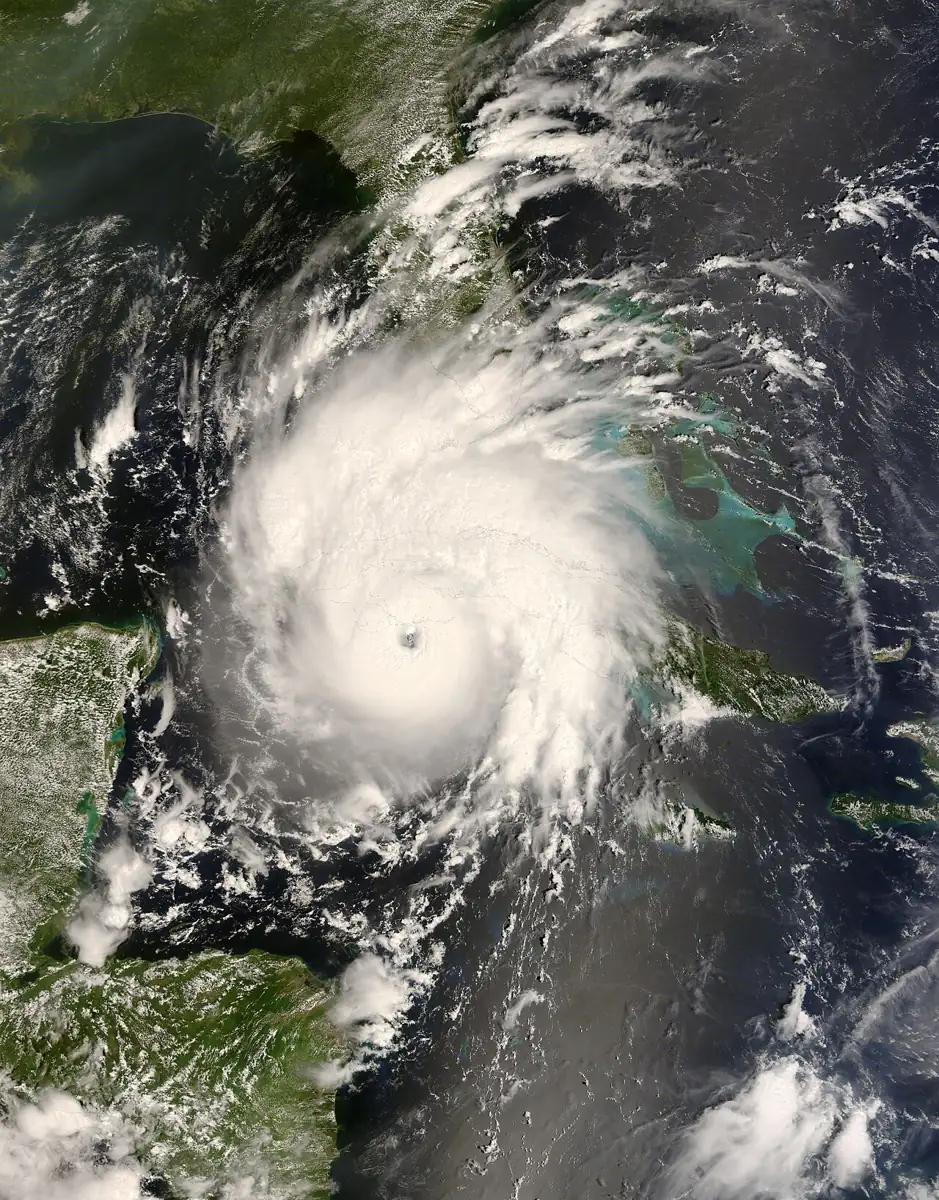
The Atlantic hurricane season runs from June 1 to November 30, and the National Hurricane Center is where I check the outlook when something is brewing. Activity usually peaks from mid-August to mid-October. Most weeks pass without a threat, but when a storm is forecast for the Gulf, plans across the region change fast. Families leave, roads fill, shops run out of fuel and water, and power can be out for days afterwards.
I have lived through a few. After Katrina in 2005 we were without power for four days. When Gustav came ashore near Cocodrie on September 1, 2008, Labor Day, I prepared the house and taped the windows like everyone else, and wind damage reached all the way through greater Baton Rouge. Swedish TV and radio even interviewed me that week as a Swede living in the hurricane region.
If you have a session booked, expect a reschedule if a storm threatens, without penalty from a reasonable photographer. And make sure your images are not stored in only one place at home; a simple backup routine protects them from water and power cuts. If you are waiting on a proof gallery, ask the photographer to extend it if a storm interrupts, a topic covered in how proof galleries work.
Frame 09Comfort checklist
- Cold water for everyone, plus a cooler in the car
- A small towel for sweaty faces between frames
- Insect repellent applied before the session, away from clothes
- A lens cloth and a spare for the photographer
- A backup date agreed in advance for any outdoor booking
Which places hold up best in each season is discussed across the Baton Rouge locations section, from shaded oak alleys to covered arcades downtown by the river and the open Gulf Coast sand.