Newborn & baby · the first year
First-year milestone sessions: 3, 6, 9 and 12 months
A first-year plan, sometimes called a baby plan or a grow-with-me series, books several short sessions across a baby's first twelve months. Each one is timed to a stage of development, so the finished set shows the year changing from frame to frame: the sleepy newborn, the first smiles, the wobbly sitter, the crawler and the one-year-old standing at the coffee table.
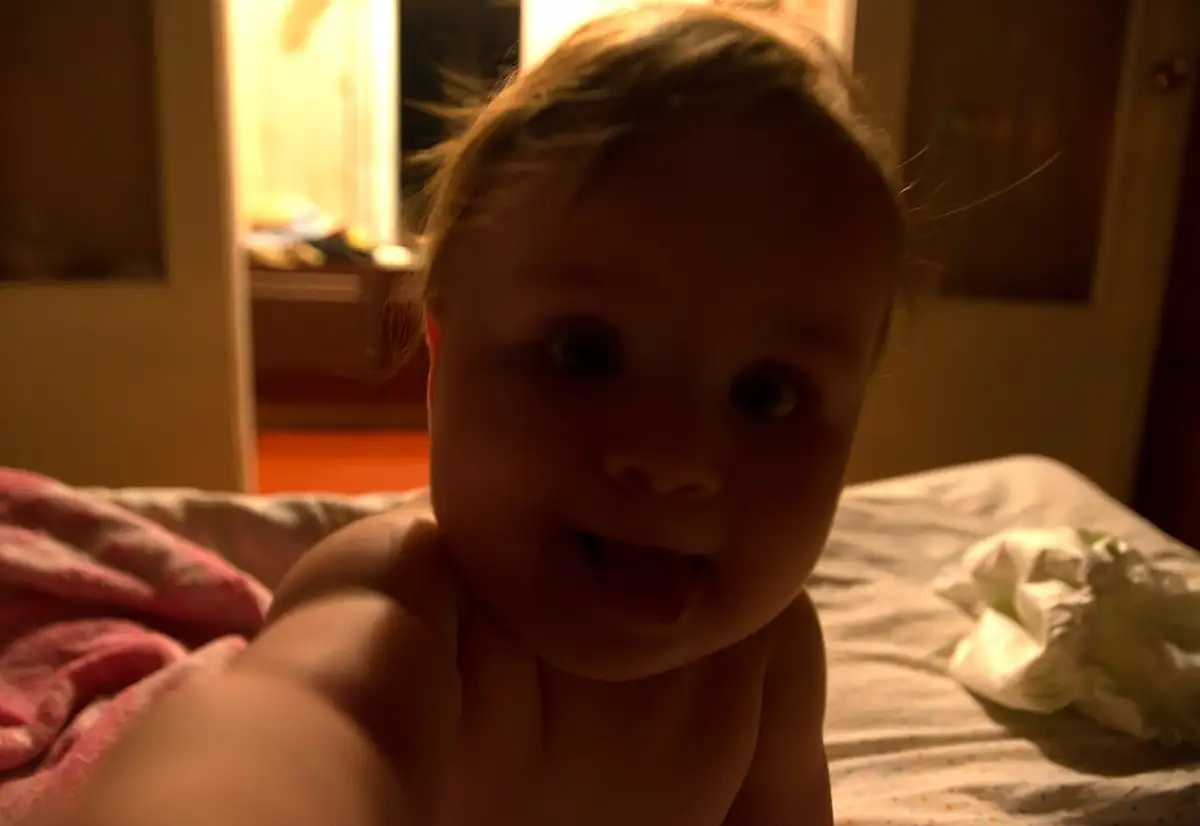
Frame 01Why these ages
When I became a mother I started photographing my own children's first steps, and that is a big part of why I love this kind of plan. The ages are picked because babies change in visible ways between them, and each session lands on something new the baby can do.
The developmental checklists from the CDC's Learn the Signs. Act Early. milestones are a useful guide here. They list what most babies do by 2, 4, 6, 9 and 12 months, and my sessions sit neatly between those points:
- Around 3 months, by 2 months most babies hold their heads up on their tummy and smile when you smile at them; by 4 months they push up onto their forearms and hold their head steady when held.
- Around 6 months, most babies laugh, roll from tummy to back and lean on their hands to support themselves when sitting.
- Around 9 months, most sit without support, get into sitting by themselves and play peek-a-boo, and many are shy or clingy with strangers.
- Around 12 months, most pull up to stand and walk while holding on to furniture; some are already taking a few steps on their own.
Every baby keeps their own timetable, and those lists describe what most babies do by a given age. I move a session by a few weeks if a milestone arrives early or late. If you have questions about your baby's development, ask your pediatrician.
Frame 02What each session tends to capture
| Age | Typical stage | Common shots |
|---|---|---|
| Newborn | Sleepy, curled | Wraps, details of hands and feet, parents' arms |
| 3 months | Head control, first smiles | Tummy time on a blanket, close-up portraits |
| 6 months | Sitting with support, laughing | Seated portraits, belly laughs, toes |
| 9 months | Sitting alone, crawling, pulling up | Movement, peeking around a chair, first teeth |
| 12 months | Standing, cruising, first steps | Walking with a hand held, cake smash |
Three months
This is the session for faces. Babies are awake and focused, and the first real smiles come when a parent leans in and talks. I photograph a lot of tummy time on a soft blanket, often from the floor at the baby's eye level, and close portraits in a parent's arms.
Six months
Six months is my favorite age for laughter. Babies this age will giggle at a peek-a-boo from behind a parent or a silly noise from me, and most can sit propped against a parent's hands or a cushion for a few seconds at a time. Feet go straight into mouths, which makes for honest pictures.
Nine months
Nine-month-olds are busy. They are moving, and many have discovered that strangers are suspicious. I give them time to look at me from a parent's lap before I lift the camera, and I photograph whatever they want to do: crawling toward a toy, pulling up on a chair, peering over its edge.
Twelve months
At the first birthday, babies stand, cruise along furniture and have strong opinions. The twelve-month session often ends with cake. How that goes, and how to keep the mess under control, is covered in first birthday cake smash portraits.
Frame 03Keeping the set consistent
A plan looks best when the pictures belong together on a wall or in an album. So I repeat one setup at every session: the same chair, blanket or backdrop, with the baby photographed from the same height and the same distance. A simple prop such as a large teddy bear or a wooden letter block shows scale as the baby grows; the bear that dwarfs a three-month-old is held in a headlock by twelve months.
Pick it at the newborn or three-month session and stick with it. Same prop, same angle, similar clothing color. It takes me two minutes at each session, and it is often the frame families end up framing.
Many families finish the year with a twelve-frame collage or a slim album; the formats are compared in photo albums and books. If you are planning a grid of four or five prints instead, this rundown of print sizes helps you choose sizes that hang well together.
Frame 04Booking and scheduling
- Book the plan before the baby is born or at the newborn session.
- Schedule each later session a few weeks ahead, close to the milestone age.
- Pick a time right after the baby's usual nap and a feed. Small children photograph best rested, fed and in a good mood.
- Move the date if the baby is teething, ill or has just had vaccinations.
Short sessions of about an hour suit babies between three and twelve months better than long ones. Indoors I like to work during the day, and mid-morning light from a large window suits most of these sessions. The habits in soft natural light for portraits explain why. If you'd like one session outdoors, early morning or early evening is the time for it, especially in the warmer months here.
Even with good timing, some sessions start with tears. A few minutes of feeding, a walk around the room or a change of scene usually resets things, and I've collected more ideas in getting an unsettled baby back on track.
Frame 05Clothes for each stage
Simple clothes keep the attention on the face, and solid colors age far better than prints and slogans. At three months a plain onesie or just a diaper cover is enough. At six months, soft rompers and bare feet. By nine months, soft trousers and a top that allows crawling work better than dresses that catch under the knees. If the baby is baptized during the year, an heirloom gown has its own needs, covered in photographing a christening gown. For the first birthday, families often bring one special outfit and something they do not mind getting covered in frosting. Wardrobe tips for the whole family are in picking clothes for family pictures.
Frame 06Getting expressions at each age
What makes a baby smile changes across the year. At three months it is almost always a parent's face, close and talking. By six months it is surprise: a sound, a hat on my head, a peek-a-boo. At nine months it is play and a bit of cheek, and at twelve months a toy handed over and taken back can keep a baby laughing for minutes. I mix natural, unposed moments with a few posed portraits at every session, and the natural moments are where most of the real smiles come from. More of the tricks I use with older children are in bringing out genuine smiles.
Brothers and sisters can join any of the sessions. A big sibling who wasn't interested at the newborn stage is often thrilled by a baby who laughs back; adding the older children explains how I keep that part short.
Frame 07Indoors, outdoors and the Louisiana seasons
A year-long plan runs through every season, and here in Baton Rouge that matters. Outdoor sessions pick up in spring and carry on until it gets unbearably hot, and a three- or six-month-old has no business sitting in the midday sun in August. So I keep the younger sessions indoors, where I can control warmth and light, and suggest the outdoor one for whichever milestone falls in spring or fall. A nine-month crawler on a blanket under an oak in October, or a one-year-old cruising along a bench on a cool morning, is a lovely break from the indoor setup. Keep the repeat shot indoors so the set still lines up.
Frame 08Starting at the beginning
Most plans begin with the newborn session, which follows its own rules and a much longer morning. The newborn pages explain what that first shoot involves, and the overview of baby photography links everything else in the section, including plans for twins.