Newborn & baby · siblings
Photographing a newborn with big brothers and sisters
The sibling picture is often the one parents care about most, and it is the hardest one to get. A toddler has maybe ten minutes of patience, while a newborn needs to be asleep, fed and supported at the same moment. My plan is simple. The big brother or sister comes in first, the poses stay low to the floor, and we stop while everyone is still smiling.
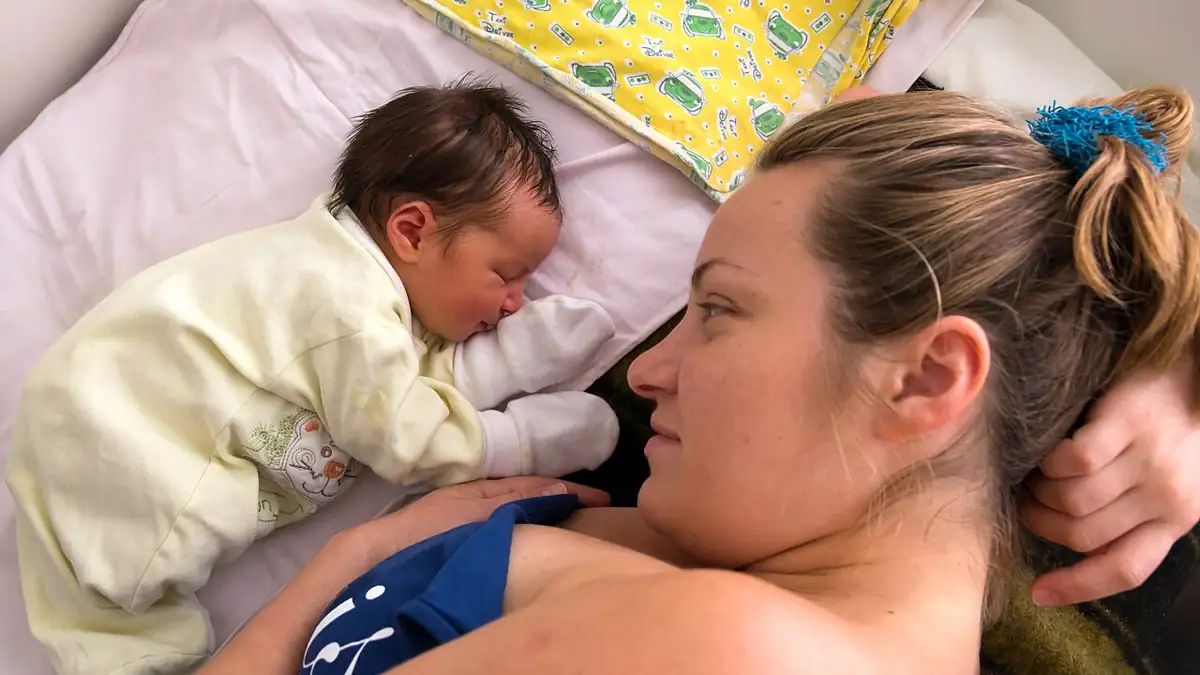
Frame 01Bring them in first
I photograph big brothers and sisters at the very start of the session, while they are fresh, curious and still think the whole thing is an adventure. Once their part is done, a grandparent or a friend can take them to the park, home for lunch or into another room with a snack and a tablet. A three-year-old who has waited two hours on a warm sofa for their turn is rarely in the mood when it finally comes, and I don't blame them.
To make that early start work, the baby needs to be ready before the sibling arrives. I ask parents to feed the baby right before we begin, and I wrap and settle the baby first so they are already drowsy when the older child walks over. If you want to see where the family frames usually fall across the morning, the newborn shoot step by step lays out the whole order.
A rough timeline
| Time | What happens |
|---|---|
| First 10 minutes | Feed, wrap and settle the baby; the sibling looks around and meets the camera |
| Next 10 to 15 minutes | Sibling frames, then one or two of the whole family |
| After that | Sibling leaves with a helper; baby-only portraits and parent poses |
If your newborn session is still a few weeks off, the same logic shapes when in the first two weeks to book: a very sleepy baby makes the sibling part much easier.
Frame 02Poses that work by age
Age matters more than anything else in deciding how a big brother or sister gets into the picture with the baby. I plan the pose around what the older child can do safely and without effort, then add the closeness afterwards with hands, heads and expressions.
Toddlers, 18 months to 3 years
Lying down side by side on the beanbag or a bed, with the toddler's head next to the baby's. Nobody has to hold the baby, and a parent kneels just out of frame, close enough to touch both. A toddler lying on their tummy, chin on hands, looking at the baby is one of my favorite setups.
Children 4 and older
Sitting cross-legged on the floor or against a sofa with the wrapped baby in their lap and a pillow under their arms. A parent's hand stays under the baby's head and is edited out later. Older children can also kiss the baby's forehead, hold a tiny hand or simply look down at them.
Standing poses with a sibling holding the baby are not worth the risk at any age. The low positions above give the same closeness and a nicer angle, because I am shooting down onto two faces close together instead of up at an arm straining to hold on.
Teenagers and big age gaps
A teenager is a different case. Seated, with forearms supported, most teens can hold a newborn safely and often produce the most touching frames of the day, partly because they are a little in awe of the baby. I still keep a parent close by, and I still never have anyone stand while holding the baby. For everything else about positioning and support, my notes on safe posing and spotters apply to siblings exactly as they apply to me.
Frame 03Getting a toddler to play along
I'm a mother of two boys, so I've been on both sides of this. With a toddler, I turn the portrait into a game. These are the steps I use and the ones I suggest parents prepare at home.
- Talk about the photos for a day or two beforehand, so the camera and the stranger holding it are not a surprise.
- Give the child a job: holding the baby's hand, whispering a secret in the baby's ear, counting the baby's toes.
- Keep a small treat back for afterwards and say so up front. A sticker book works as well as candy and is less sticky near a white wrap.
- Stop while it is still fun. Three good frames are enough, and pushing for a fourth usually costs you the first three expressions. If the baby is the one who will not cooperate, try the ideas in settling an unhappy newborn.
I talk to the older child far more than to the parents during those minutes. I ask silly questions and make funny noises from behind the camera, because a two-year-old who is laughing at me is not trying to climb off the beanbag. The same tricks carry over to portraits of older kids, and there is more on them in getting natural expressions from kids. Toddlers have their own rhythm, which I've written about separately in my notes on photographing one- to three-year-olds.
Some older children love the new baby and want nothing to do with a photo of them. I don't push them, and I'm happy with one honest frame of a toddler peering suspiciously over the edge of the beanbag.
Frame 04Clothing for siblings
My wardrobe advice for any session is that the face is the focus, so keep clothes simple, comfortable and free of stripes, busy patterns and loud colors. Next to a newborn that matters even more. I suggest plain, soft colors that sit close to the baby's wraps: cream, oatmeal, pale gray, dusty blue or blush. Solid colors also age well, so the photo still looks right when the baby is in high school.
- Soft knit tops, plain T-shirts or a simple onesie for toddlers
- Bare feet for any lying-down pose
- No logos, cartoon characters or slogans
- Nothing stiff or bulky: jeans, belts and hooded sweatshirts look heavy beside a tiny baby
- A spare top in the bag, because toddlers find a way to spill something
If parents are joining the frame, the same color scheme carries across. The broader advice in dressing the family for portraits still applies, and if you also did a bump session, many families like to echo the colors from those maternity portraits with the older children so the two sets sit well together.
Frame 05Studio or home for a sibling session
Where the session happens changes how the older child behaves. At home a toddler has their own toys, their own bed and a familiar bathroom, and they often relax faster. In the studio there are fewer distractions and I control the light and temperature, but some children need a few minutes to warm up to a new room. I've weighed up the two in more detail in studio, home or lifestyle sessions, and for families with an anxious toddler I often lean toward home.
Frame 06Twins, triplets and several siblings
With more than one baby, I build the sibling pose in stages: one baby settled, then the second, and the toddler added last when both babies are deeply asleep. With three or four older children, I keep the arrangement simple, usually everyone lying in a row or sitting close on the floor, rather than stacking kids at different heights. For two or more newborns at once, see my notes on photographing twins. When the older children are close in age and you want a portrait of just them as a set, that is a separate session, and brothers and sisters together covers how I approach it.
Frame 07If it does not happen on the day
Plenty of toddlers refuse on the day, and some babies decide the moment their sibling walks in is the moment to wake up and cry. If that happens, I don't push. We try once more before the big brother or sister leaves, and if it still isn't working, we let it go.
The sibling picture can often be added at the start of a later visit, for example the three-month portrait in a first-year milestone series. By then the baby is awake, holds their head up and smiles, and the older child usually finds them far more interesting than a sleeping bundle. Other newborn topics are listed on the newborn photography page.